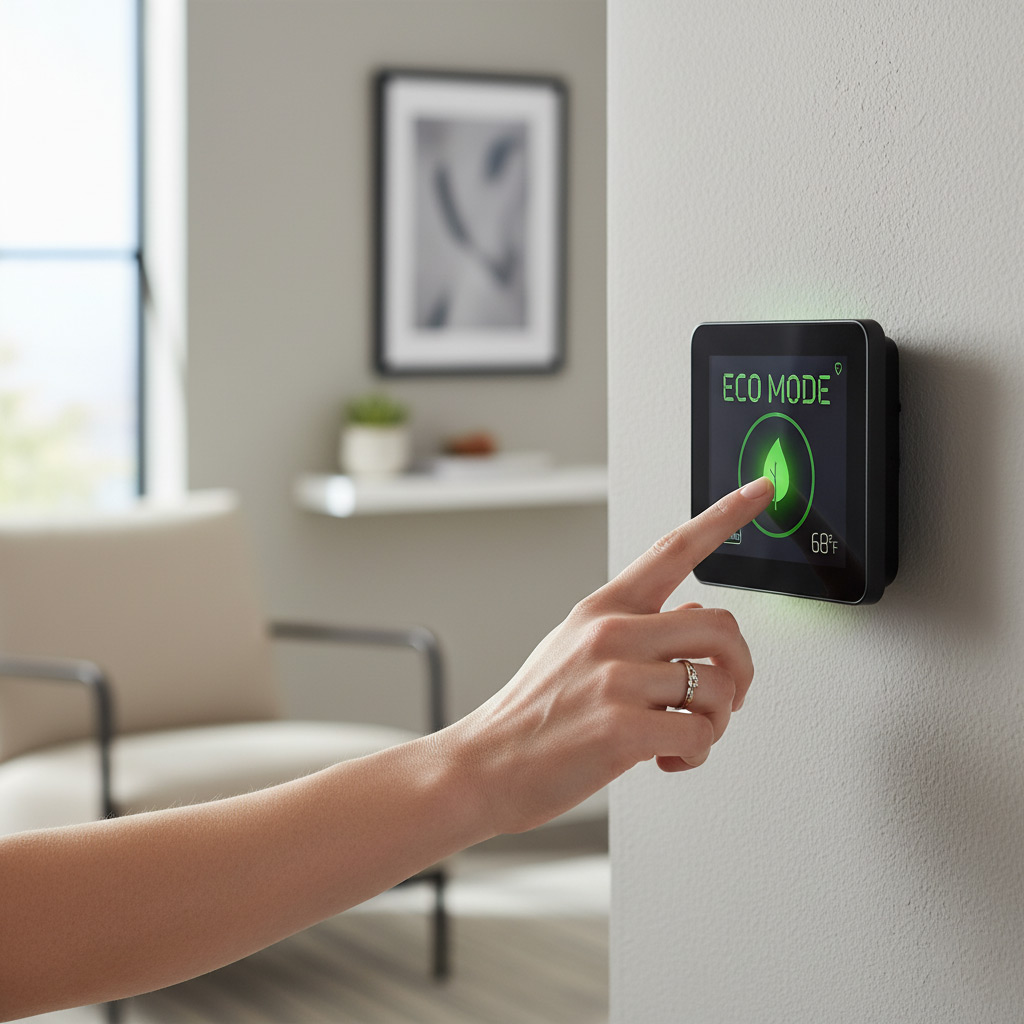
Picture this: the thermostat hits 68°, the night is bitter, and your furnace sputters like a dying engine. One wrong move and you’re left shivering while the repair bill climbs faster than a summer heatwave.
In Elk Grove, homeowners often fall into the same traps—ignoring a strange smell, DIY‑fixing a cracked heat exchanger, or waiting until the first frost to call a pro. Those shortcuts don’t just cost money; they can turn a simple fix into a full‑blown emergency.
Ready to sidestep the costly mistakes that keep families cold and wallets light? Keep reading and discover the exact steps to keep your furnace humming all winter long.
Recognizing Early Warning Signs Before a Furnace Failure
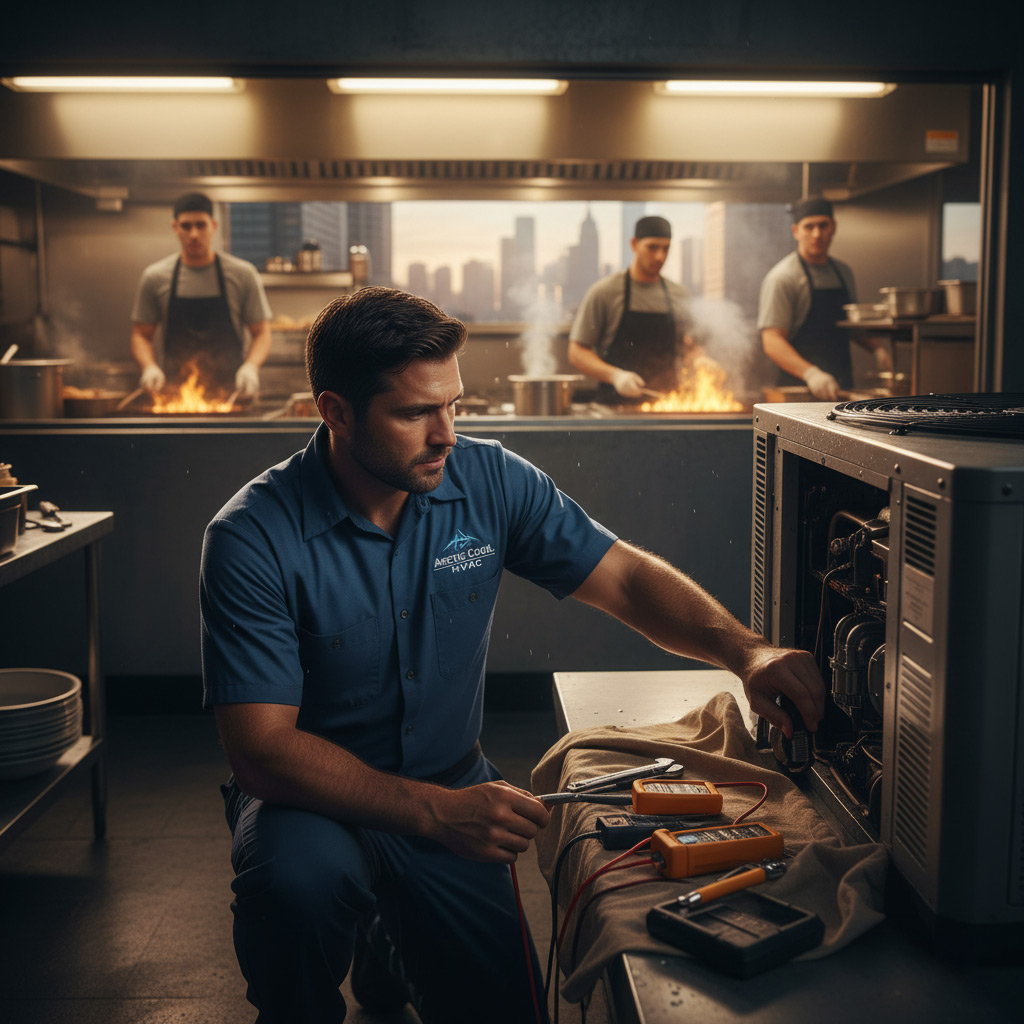
When the heat starts acting up, it’s usually trying to tell you something. A sudden drop in temperature, a rattling noise, or a faint smell of gas are not “just quirks” – they’re the furnace’s SOS. Catch these clues early and you’ll save yourself a night in the cold and a hefty repair bill.
Common Red Flags
- Thermostat lag: The house stays cool even though the dial is set high.
- Flickering pilot light or an unsteady flame.
- Unusual noises – clanking, squealing, or a constant humming.
- Dusty or musty odors wafting from the vents.
Each of these symptoms points to a specific problem. A lagging thermostat often means a failing sensor. A flickering pilot can signal a clogged burner. And strange noises? They’re usually a loose belt or a motor on its last legs.
Why Ignoring the Signs Costs More
Most homeowners think, “It’ll be fine until winter hits.” That mindset is a fast track to a cracked heat exchanger or a blown furnace motor. When the issue escalates, the repair crew has to replace major components, and the price tag jumps dramatically.
Bottom line: treat every odd sound, smell, or temperature dip as a warning. A quick call to a qualified Elk Grove HVAC tech can turn a minor tweak into a major savings.
The Hidden Dangers of DIY Furnace Repairs
Why the DIY Route Often Backfires
Most homeowners think a wrench and a YouTube video are enough to fix a furnace. One wrong turn can turn a simple tweak into a costly nightmare.
When you tinker with gas lines, electrical components, or the heat exchanger, you’re playing with fire—literally. A tiny leak or mis‑wired circuit can lead to carbon monoxide exposure or a house‑wide outage.
Common Pitfalls That Drain Your Wallet
Even the most confident DIYer can miss the subtle clues only a trained eye catches. Below are the usual suspects that bite back:
- Improper gas connection – creates leaks, triggers alarms, and may void insurance.
- Skipping the pressure test – you won’t know if the system is sealed until it fails in the middle of a cold snap.
- Using the wrong replacement part – cheap knock‑offs can jam the blower or corrode the furnace housing.
Safety Risks You Can’t Afford to Ignore
Carbon monoxide is odorless, invisible, and deadly. A cracked heat exchanger that you “patched” with duct tape won’t stay sealed.
Electrical shorts are another silent threat. A DIY spark can ignite nearby insulation, turning a repair into a fire hazard.
Heat Exchanger Cracks: Why Ignoring Them Is a Costly Mistake
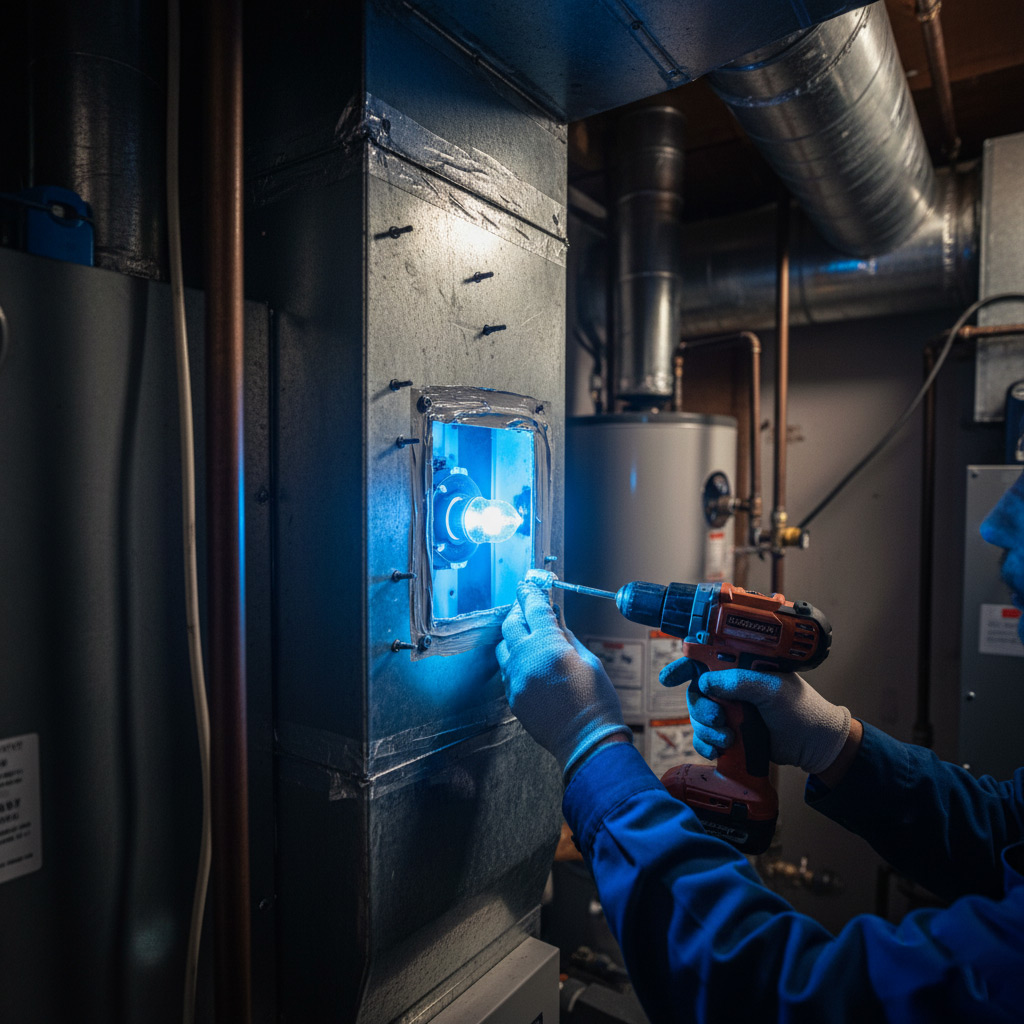
Think of the heat exchanger as the furnace’s heart—its job is to keep combustion gases sealed away from the air you breathe. When a crack appears, that barrier collapses, and you’re suddenly sharing toxic fumes with your family. One tiny fracture can turn a cozy night into a health hazard.
Spotting the Crack Before It Cracks
Most homeowners miss the early clues because they’re subtle. Look for these red flags:
- Unusual, metallic smell when the furnace kicks on.
- Sudden spikes in your energy bill.
- Flickering pilot light or inconsistent heat output.
If any of these show up, stop the thermostat and call a pro. Don’t gamble with carbon monoxide.
Repair costs skyrocket when a cracked exchanger is left to rust. A full‑system replacement can run $3,000‑$5,000, while a timely fix is often under $1,200. Fix it now, save a fortune later.
Essential Seasonal Maintenance Checklist for Elk Grove Homeowners
Winter in Elk Grove isn’t forgiving. A quick once‑over before the chill hits can keep your furnace humming and your wallet happy. Think of it as a pre‑flight check—simple, fast, and lifesaving.
Pre‑Winter Power‑Up
- Filter swap: Replace every 30‑day filter with a high‑MERV option. A clean filter means better airflow and lower energy bills.
- Thermostat test: Set the dial to “heat” and watch the furnace fire up. No click? Your control board might need a reset.
- Inspect the blower motor for dust buildup. A quick vacuum can prevent noisy operation.
Don’t stop at the furnace. The whole HVAC family needs love. Check the outdoor unit for debris, clear the area around it, and make sure the coil isn’t frozen. A clear path lets the system breathe.
Mid‑Season Spot‑Check
- Run a 15‑minute “burn‑in” test each month. Listen for rattles or odd smells.
- Verify the safety limit switch trips correctly—push the reset button and watch for a quick reset.
- Seal any gaps around vents with foil tape. Leaky vents waste heat faster than a cracked window.
How to Choose a Reliable HVAC Professional in Elk Grove
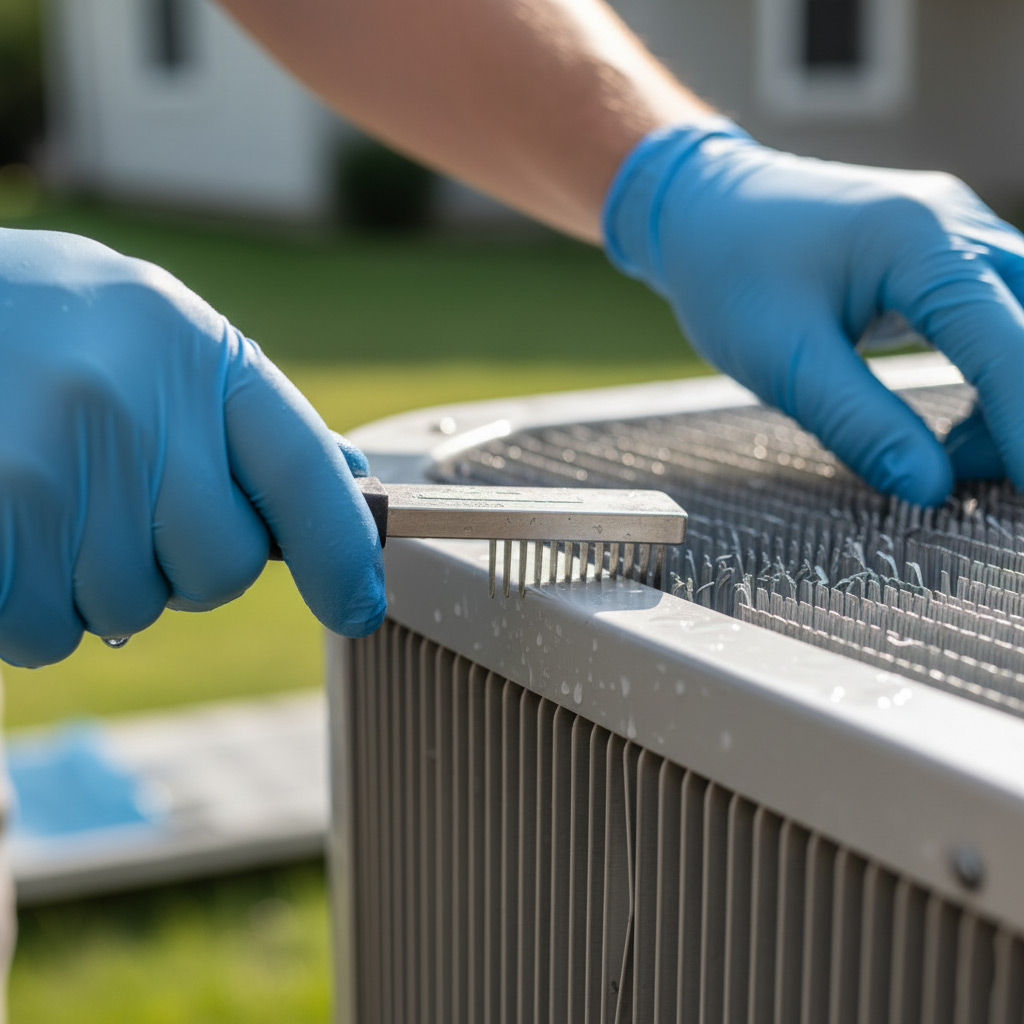
First, verify the basics: a valid California contractor’s license, up‑to‑date insurance, and a clean BBB rating. These three items alone weed out fly‑by‑night operators. Ask for the license number and look it up on the C-10 website before you even set foot in the yard.
What to Look for in Reviews
Real homeowners leave clues. Scan Google, Yelp, and Nextdoor for patterns—quick arrivals, honest pricing, and technicians who actually explain the problem. One or two glowing reviews aren’t enough; you need consistency across at least five recent comments.
- Response time under 24 hours for emergency calls.
- Transparent, itemized estimates before any work begins.
- Warranty that covers parts and labor for at least one year.
Finally, treat the estimate like a contract. A reputable pro will break down labor, parts, and any potential add‑ons in plain language. No surprise fees, no hidden markup. If they can’t explain why a $1,200 repair is necessary, walk away and keep looking.
Case Study: Preventing a Winter Emergency and Saving $2,300 on Repairs
The Situation
When the first frost hit Elk Grove, the Martinez family noticed a faint smell of gas and a rattling noise from their furnace. They brushed it off, thinking it was “just the cold.” That night, the thermostat dropped to 55°F and the furnace quit altogether.
What Went Wrong (and Right)
Instead of waiting for a costly breakdown, they called a local HVAC pro within 24 hours. The technician discovered a cracked heat exchanger that, if left unchecked, could have caused a carbon‑monoxide leak and a $5,000 replacement bill.
- Immediate inspection saved time.
- Replacement of the exchanger cost $2,300 – half the price of a full system swap.
- Seasonal tune‑up added $150, preventing future failures.
Bottom Line
The quick call turned a potential emergency into a manageable repair. By acting early, the Martinez family avoided a $5,000 disaster and kept their home warm all winter. Lesson learned: a 48‑hour response window can protect both comfort and cash flow.
Final Words
Keeping your furnace in top shape isn’t a one‑time event; it’s a habit. When you spot a strange odor, a flickering flame, or a sudden drop in heat, treat it like a warning light on a car—stop, assess, and call a pro before the problem snowballs.
Quick Action List
- Check the thermostat settings weekly.
- Swap out the air filter every 30‑45 days.
- Listen for rattles or whines during the first 10 minutes of a heating cycle.
- Schedule a professional tune‑up before the first frost.
- Never attempt to repair a cracked heat exchanger yourself.
When you need a qualified technician, look for a company that’s licensed, insured, and backed by real customer reviews. A local Elk Grove service that specializes in Furnace Repair will know the climate quirks and can get you back to a cozy home faster than a generic chain.
People Also Ask
What are the early warning signs that my furnace needs repair?
Common signs include uneven heating, strange noises, frequent cycling, and a noticeable increase in energy bills. If you notice a yellow pilot light or a foul odor, call a professional immediately.Why is DIY furnace repair risky in Elk Grove?
DIY work can void warranties, cause safety hazards like gas leaks or carbon monoxide exposure, and often leads to improper fixes that worsen the problem. Professional technicians have the tools and certifications to diagnose and repair safely.How can a cracked heat exchanger affect my home?
A cracked heat exchanger can leak carbon monoxide into your living space, posing serious health risks. Ignoring it can also lead to costly replacements and higher heating expenses.What should be on my seasonal furnace maintenance checklist?
Check and replace filters, clean blower components, inspect the thermostat, test safety controls, and verify proper gas pressure. Scheduling a professional tune‑up before winter ensures optimal performance.How do I choose a reliable HVAC contractor in Elk Grove?
Look for licensed, insured technicians with positive local reviews, transparent pricing, and a clear warranty on parts and labor. Ask for references and verify their experience with furnace repairs specific to your system.
Elk Grove HVAC has served the Elk Grove community for over 15 years, delivering reliable heating and cooling solutions. Their certified technicians specialize in energy‑efficient installations and prompt repairs, ensuring comfort for residential and commercial clients. Committed to local service, they prioritize personalized attention and timely response for every job.
Need HVAC?
We provide rapid, reliable heating and cooling solutions in Elk Grove and nearby ZIPs (95624, 95630, 95631, 95632, 95633), restoring comfort and system efficiency on the first visit.
Get HVAC Estimate