
Picture this: you step inside your Elk Grove home and the air greets you like a perfectly timed high‑five—cool when the heat spikes, warm when the night chills, all without you lifting a finger.
Most homeowners think a thermostat does the heavy lifting, but the real magic lives in how the whole system is wired together, sized, and programmed. A mis‑sized unit or a poorly placed vent can turn that sweet spot into a constant battle.
In the next few minutes you’ll discover the exact moves the pros use to turn ordinary HVAC into a smart, money‑saving powerhouse, so keep reading and see how you can upgrade your comfort without breaking the bank.

The Core Principles of Smart HVAC System Design
First off, a smart HVAC system isn’t just a fancy thermostat glued to the wall. It’s a carefully balanced trio of right‑sized equipment, precise airflow pathways, and intelligent controls that talk to each other in real time. When any one of those pieces is off, you feel it – a hot spot in the bedroom, a draft in the kitchen, or a bill that makes you wince.
Airflow & Load Matching
Getting the load right is the foundation. You need a unit that can handle Elk Grove’s hot summers and chilly evenings without breaking a sweat.
- Accurate load calculations based on square footage, orientation, and insulation.
- Equipment that delivers the exact BTU output your home demands.
- Properly sized ducts that keep pressure steady and noise low.
Control Integration & Zoning
Smart isn’t a buzzword; it’s a strategy. Zoning lets you tell each part of the house what it needs, when it needs it.
- Multi‑zone thermostats that learn occupancy patterns.
- Wireless sensors that feed temperature, humidity, and even CO₂ levels back to the hub.
- Automation rules that shut down unused zones during the day, saving dollars.
Accurate Load Calculations: Sizing for Elk Grove’s Climate
Why Load Calculations Matter
In Elk Grove, the temperature swings from scorching summer afternoons to chilly winter nights. A unit that’s too small will run nonstop, while an oversized system will short‑cycle and waste power. Getting the numbers right means your HVAC works like a well‑tuned engine—quiet, consistent, and cost‑effective.
Key Factors to Plug Into the Formula
Every home is a unique puzzle. To hit the sweet spot, consider these variables:
- Square footage – larger spaces need more capacity.
- Ceiling height – high ceilings add volume that must be heated or cooled.
- Window orientation – south‑facing windows soak up sun, increasing cooling load.
- Insulation quality – poor insulation forces the system to work harder.
- Local climate data – Elk Grove’s average summer highs and winter lows set the baseline.
Running the Numbers
Most pros use the Manual J method, a step‑by‑step calculation that accounts for every factor above. Plug the data into a reputable software tool or ask a certified technician to do the heavy lifting. The result is a precise BTU rating that matches your home’s demand, no guesswork involved.
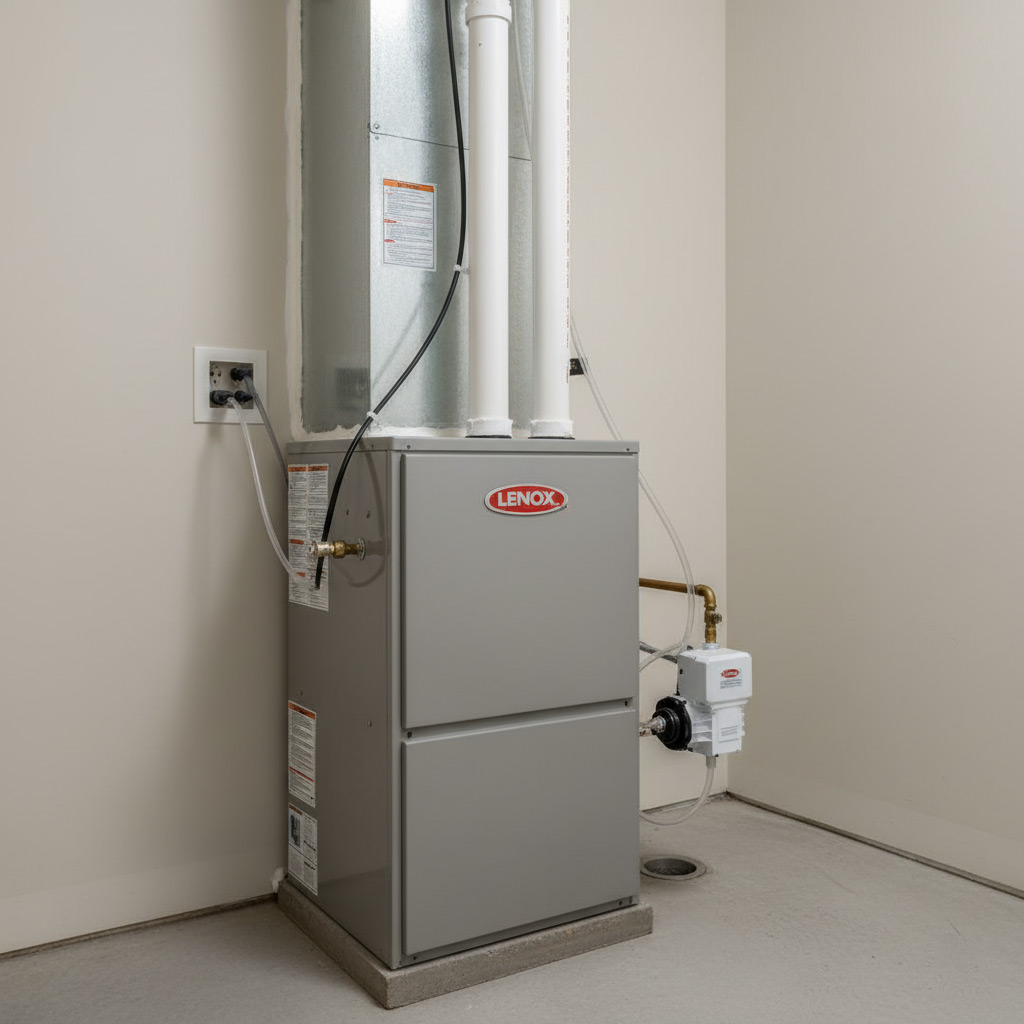
Optimizing Ductwork Layout and Zoning for Maximum Efficiency
Why Duct Placement Matters
Every foot of duct is a chance to lose heat or cool air. Short, straight runs keep the temperature where you want it, while long, winding paths turn your system into a money‑draining hamster wheel. Think of it like plumbing – the farther the water travels, the more pressure you need.
Common Mistakes and Quick Fixes
Homeowners often let ducts hug the ceiling or crawl behind walls, creating dead zones. The cure? Trim excess, seal joints, and add a few insulated sleeves where the metal meets the attic. A well‑sealed system can shave 10‑15% off your bill.
- Use rigid metal ducts for main trunks; flexible flex is fine for short branches.
- Seal every connection with mastic or UL‑listed tape – no shortcuts.
- Insulate ducts that run through unconditioned spaces; a simple wrap does wonders.
Zoning: One System, Many Comfort Levels
Zoning lets you treat the master suite differently from the garage. Install motorized dampers and assign each zone its own thermostat. The result? You only heat or cool the rooms you’re actually using.
Smart zoning also plays nicely with your thermostat’s learning algorithms. When the system knows the bedroom stays cool at night, it won’t waste energy heating the living room at 2 a.m. That’s the kind of quiet profit every Elk Grove homeowner craves.
Choosing the Right Smart Thermostat and Control Technologies
When you swap a basic dial for a smart thermostat, you’re not just adding a gadget—you’re giving your HVAC brain a coach. It learns when you’re home, when you’re out, and even how fast the sun heats your living room. The result? Less waste, more comfort, and a utility bill that finally makes sense.
Key Features to Look For
- Geofencing – the system knows when you cross the driveway and adjusts temperature on the fly.
- Learning algorithms – it remembers your habits and fine‑tunes set points without you lifting a finger.
- Wi‑Fi connectivity – remote control from your phone, tablet, or smartwatch.
- Voice assistant compatibility – Alexa, Google, Siri all play nice.
- Multi‑zone support – each zone gets its own schedule, no more fighting over the thermostat.
Pick a thermostat that talks to the rest of your smart home. If you already have a lighting system or security cameras, choose a hub that can sync them all. That way, a hot day can trigger blinds to close, while the AC kicks in automatically. The payoff is a home that runs like a well‑orchestrated band, not a clunky solo act.

Integrating Energy‑Saving Features and Home Automation
When your HVAC talks to the rest of the house, the bill drops like a stone. Smart vents, occupancy sensors, and variable‑speed compressors work together to heat or cool only where it’s needed. The result? Comfort that feels custom‑tailored without the waste.
Smart Sensors and Adaptive Controls
These tiny devices know when a room is empty and shut off the flow. They learn your schedule and adjust on the fly, so you never waste power on a vacant bedroom. Pair them with a thermostat that can read humidity, solar gain, and even wind chill for razor‑sharp precision.
Home Automation Platforms that Play Nice
Pick a hub that talks to everything—lights, locks, voice assistants—so your HVAC becomes part of the bigger picture. When the sun sets, the system can pre‑heat the living room while the blinds close, cutting the load before the thermostat even wakes up.
- Google Home: Voice commands plus AI‑driven scheduling.
- Amazon Alexa: Seamless integration with Echo devices and routines.
- Apple HomeKit: Secure, iOS‑centric control for the Apple crowd.
- SmartThings: Broad device compatibility, perfect for DIY enthusiasts.
Hook your smart thermostat into any of these platforms and set up “scenes” that trigger multiple actions with one tap. A “Leave Home” button can turn off the AC, lower the water heater, and lock the doors—all in seconds. That’s the kind of leverage that turns a good system into a great one.
Case Study: Revamping a 2,500‑sq‑ft Elk Grove Home with a Smart HVAC System
The Starting Point
When the owners first called, their 2,500‑sq‑ft ranch was fighting them: the furnace ran nonstop in January, the AC sputtered in July, and the thermostat was stuck at 72 °F no matter what.
Our audit showed a grossly undersized air‑handler, leaky ducts, and a thermostat that was about as smart as a rock.
The Upgrade Process
We tore out the old unit, added a properly sized variable‑speed blower, and rewired the whole thing for zone control.
Key moves included:
- Accurate load calculation using Manual J for Elk Grove’s hot‑summer, cool‑winter swing.
- Installing a smart thermostat that learns schedules and syncs with the homeowner’s phone.
- Re‑routing ducts to eliminate dead‑ends and adding insulated returns.
- Setting up three zones: main floor, upstairs, and the garage workshop.
Results & Savings
Within the first month, the family saw a 28 % drop in their electric bill and a noticeable dip in humidity during peak summer days.
Other wins:
- Even temperature throughout the house – no more hot spots.
- Remote control via voice assistants, so the kids can set “movie mode” without leaving the couch.
- System diagnostics that alert the contractor before a breakdown, saving costly emergency calls.
Final Words
When you walk into a home that breathes just right, you’ll know the difference between a guess‑and‑check install and a system that was engineered from the ground up. Smart design isn’t a luxury—it’s the new baseline for comfort in Elk Grove.
Take the next step
- Grab a free, no‑obligation load assessment from a local pro.
- Map out your zones and decide where a smart thermostat will make the biggest impact.
- Plug into HVAC System Design resources to keep the conversation going.
Don’t let another season slip by with a system that’s fighting the weather instead of mastering it. A few smart tweaks now can save you cash, keep the family comfortable, and give you bragging rights at the next neighborhood BBQ.
People Also Ask
What factors influence smart HVAC system design in Elk Grove?
The design must account for Elk Grove’s Mediterranean climate, local building codes, and typical home sizes. It also considers energy‑efficiency goals, smart thermostat compatibility, and zoning requirements.How do I determine the correct HVAC size for my Elk Grove home?
Accurate load calculations using Manual J software factor in square footage, insulation levels, window orientation, and local temperature extremes. Proper sizing prevents short‑cycling and maximizes comfort and efficiency.Why is ductwork zoning important for smart HVAC systems?
Zoning allows independent temperature control for different areas, reducing energy waste and improving comfort. Smart controls can automatically adjust airflow based on occupancy and usage patterns.Which smart thermostat works best with Elk Grove’s HVAC systems?
Thermostats that support Wi‑Fi, geofencing, and integration with popular home automation platforms (like Nest, Ecobee, or Honeywell Home) provide the most flexibility. Look for models that offer multi‑zone control and detailed energy reports.Can I integrate my HVAC system with existing home automation?
Yes, most modern HVAC units communicate via protocols such as Zigbee, Z‑Wave, or Wi‑Fi, allowing seamless integration with platforms like Alexa, Google Home, or Apple HomeKit. This enables voice control, scheduling, and remote monitoring from any device.
Elk Grove HVAC brings over 15 years of residential and commercial climate‑control expertise to the Elk Grove community. Their certified technicians specialize in efficient heating, cooling, and indoor‑air‑quality solutions tailored to local needs. Committed to reliable service, they prioritize prompt response and lasting performance for every client.
Need HVAC?
We provide rapid, reliable heating and cooling solutions in Elk Grove and nearby ZIPs (95624, 95630, 95631, 95632, 95633), restoring comfort and system efficiency on the first visit.
Get HVAC Estimate