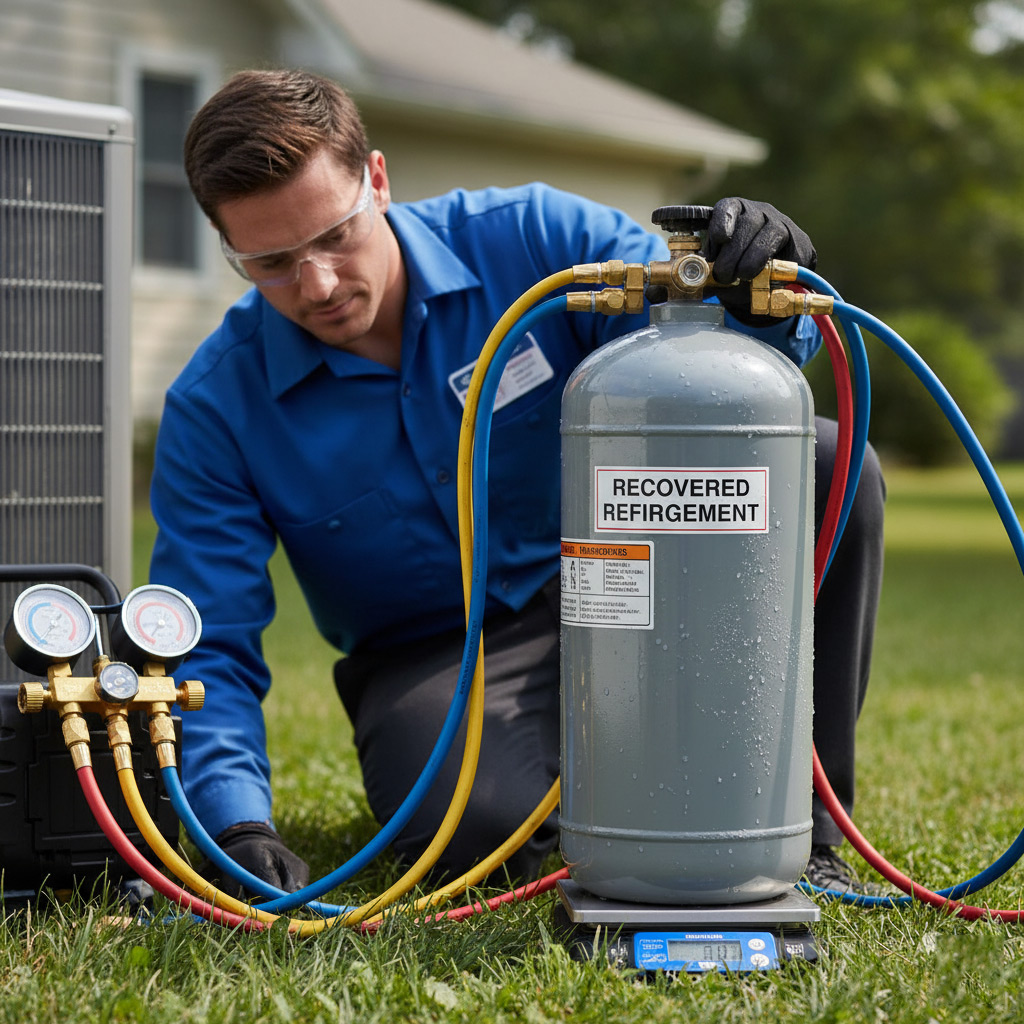
Ever wonder why the house down the street never sweats in July while yours feels like a furnace? The difference isn’t luck—it’s the hidden tricks that only Elk Grove HVAC pros keep to themselves.
Those tricks start with a test that most homeowners skip, a quick peek that can expose a failing compressor before it costs you a fortune. Then there’s the inspection routine that catches sneaky leaks and airflow bottlenecks that most service calls never even notice.
Stick around and we’ll pull back the curtain on the exact steps these experts take, so you can stop guessing and start saving. Ready to see what the pros don’t want you to know?

The Essential Pre‑Inspection Checklist Every Homeowner Should Follow
Before you even pick up the phone, a quick walk‑through can save you from surprise bills later. Spotting the obvious lets the technician focus on the hidden culprits, and you walk away with a clearer picture of what’s really going on.
What to Look At Before the Tech Arrives
- Thermostat settings – Make sure it’s on “auto” and set to a comfortable temperature.
- Visible signs of wear on the outdoor unit – rust, dents, or loose panels are red flags.
- Air filter condition – a dirty filter chokes airflow and can trigger false error codes.
- Clearance around the condenser – at least two feet of space on all sides keeps the fan from overheating.
- Listen for odd noises – rattles or hissing sounds often hint at mechanical trouble.
Quick DIY Checks That Save Money
Grab a flashlight and peek inside the return vents; dust buildup means the system is working harder than it should. Seal any obvious gaps around doors and windows – a drafty house forces the HVAC to run longer.
Finally, jot down the date of your last service and any recent repairs. Having that timeline handy lets the pro pinpoint patterns and prevents you from paying for the same fix twice.
The “Quick Peek” Compressor Test: How Pros Spot Failure Before It Happens
What the Quick Peek Looks Like
First, the tech hooks a low‑voltage clamp meter to the compressor’s start‑run winding. Within seconds they read the amp draw while the unit cycles on.
If the numbers jump 20‑30% above the spec sheet, the compressor is begging for attention. A quick visual check of the suction line for frost or oil stains seals the deal.
- Clamp meter on start‑run winding
- Watch the amp surge on start‑up
- Inspect suction line for frost or oil
Why It Beats a Full‑Blown Service Call
A healthy compressor pulls a steady, predictable current. When the current spikes, it means the motor is working harder than it should—often because of worn bearings or low refrigerant.
Spotting that spike early lets homeowners replace a part before the whole system goes dark, saving thousands in emergency repairs.
Pro Tips to Keep the Test Accurate
Make sure the unit is at operating temperature; a cold start can give a false low reading. Also, clear any debris from the condenser coils—dirty coils force the compressor to work overtime.
Finally, record the baseline amps for your specific model. Future checks become a simple compare‑and‑contrast, and you’ll know exactly when the compressor is slipping.

Uncovering Hidden Refrigerant Leaks: Tools and Techniques Used by Elk Grove Technicians
Refrigerant is the lifeblood of any AC system. When it slips away, you feel the heat, the bill climbs, and the unit works harder than it should. The good news? Elk Grove pros have a playbook for catching those invisible drips before they become a disaster.
The Detective’s Toolkit
Every technician walks into a job with a set of gadgets that turn a mystery into a quick fix. Here’s what they reach for first:
- Electronic Leak Detector – a handheld wand that beeps the moment it senses a vapor pocket.
- UV Dye Kit – a bright orange fluid that glows under a black‑light, exposing even the tiniest fissure.
- Manifold Gauge Set – reads pressure swings that scream “leak” before the eyes even see it.
Sniffing Out the Silent Leak
Tools alone won’t do the job; technique matters. Elk Grove techs follow a three‑step routine that’s as simple as it is effective.
- Pressurize the system with nitrogen and watch the gauge. A steady drop? You’ve got a leak.
- Apply UV dye, run the unit for 15 minutes, then hunt with a black‑light. The glow points you straight to the culprit.
- Use the electronic detector around joints, coils, and service ports. The device’s tone tells you exactly where the vapor is escaping.
Once the leak is pinpointed, the pros seal it with the right refrigerant‑compatible material, recharge the system, and run a final pressure test. The result? A cool house, a lower bill, and peace of mind that the hidden leak is gone for good.
Airflow Bottlenecks Revealed: Diagnosing Ductwork Issues That Drain Performance
When air can’t move freely, your system works harder and your bills climb. Feel a cold spot in the living room? That’s a classic sign a duct is choking somewhere. The trick is catching it before the whole house feels the strain.
How We Pinpoint the Problem
Elk Grove techs bring a toolbox that makes hidden blockages visible in minutes.
- Manometer readings reveal pressure drops across sections.
- Smoke pencil or incense shows where air stalls or leaks.
- Infrared camera spots temperature differences that betray poor flow.
Fixes That Actually Pay Off
Once the choke point is identified, the remedy is straightforward.
- Seal every gap with mastic or foil tape – no more sneaky leaks.
- Resize undersized runs; a larger duct can cut fan power by up to 30%.
- Install a booster fan in long runs to keep pressure balanced.

Energy Efficiency Audit: Identifying Wasteful Practices and Boosting Savings
When an Elk Grove tech walks through your home, they’re not just checking the thermostat. They’re hunting for the tiny habits that add up to big bills, and they do it in under an hour. Spotting the waste before it spikes your electric bill is the real payoff.
Common Money‑Leaking Culprits
These are the things most homeowners overlook, yet they chew through energy like a mouse on cheese.
- Dirty or clogged air filters – they force the blower to work harder.
- Leaky duct seams – air escapes before it reaches the room.
- Improper thermostat placement – the system runs when you don’t need it.
Quick Wins That Pay Off
Fixing the above can shave 10‑15% off your monthly usage. The good news? Most of these fixes cost under $200.
- Replace filters every 30‑45 days – a $20 investment saves $50‑$100 a year.
- Seal ducts with UL‑rated tape – a weekend job that stops wasted airflow.
- Upgrade to a programmable thermostat – set it, forget it, and watch the savings grow.
Case Study: Transforming a Failing Elk Grove HVAC System into a Summer‑Cool Oasis
The Situation
When the Martinez family called, their 3‑ton unit was sputtering, the thermostat read 78 °F, and the electric bill was climbing like a roller‑coaster. We found three red flags fast:
- Compressor was overheating after just 10 minutes.
- Refrigerant pressure was 30 % below spec.
- Airflow measured at only 55 % of design flow.
The Intervention
Our Elk Grove techs rolled up sleeves and tackled each problem with a proven playbook. First, we performed a “quick peek” compressor test and swapped the failing start capacitor. Next, we used a UV dye and electronic leak detector to pinpoint a tiny refrigerant leak behind the outdoor coil. Finally, we cleaned the evaporator coil, sealed duct leaks, and installed a variable‑speed blower to restore proper airflow.
- Leak repaired with a new line set and reclaimed refrigerant.
- Ducts sealed with mastic, not cheap foil tape.
- System re‑charged to manufacturer specs.
The Outcome
Within 48 hours the house dropped to a comfortable 72 °F, and the utility meter finally stopped screaming. Energy use fell 27 %, and the family reported “no more hot spots” throughout the home. The Martinez’s now enjoy a summer‑cool oasis without the fear of a surprise breakdown.
Final Words
When you’re ready to stop guessing and start controlling your indoor climate, the first move is simple: schedule a professional HVAC Testing And Inspection. A qualified Elk Grove tech will walk you through the findings, point out the exact weak spots, and give you a clear, no‑jargon plan of attack.
What to Expect on Your Next Call
- Transparent pricing – you’ll see every line item before any work begins.
- Actionable recommendations – clear steps you can take yourself and the ones that need a pro.
- Fast turnaround – most issues are diagnosed and fixed in a single visit.
Don’t let another scorching summer catch you off guard. Grab the phone, book that inspection, and watch your energy bills shrink while comfort climbs.
People Also Ask
What should I check before scheduling an HVAC inspection in Elk Grove?
Make sure filters are clean, thermostat settings are correct, and all vents are unobstructed. Also verify that the outdoor unit is free of debris and that you have easy access to the service panel.How does the “Quick Peek” compressor test detect early failures?
Technicians listen for abnormal noises and measure voltage and amperage while the compressor runs. Deviations from normal ranges indicate wear that can be addressed before a costly breakdown.What tools do Elk Grove pros use to find hidden refrigerant leaks?
They employ electronic leak detectors, UV dye kits, and pressure gauges to pinpoint even the smallest leaks. These methods locate loss points without dismantling the entire system.Why are airflow bottlenecks a common cause of poor HVAC performance?
Restricted airflow reduces heat exchange efficiency, forcing the system to work harder and increasing energy bills. Identifying and cleaning clogged ducts or undersized vents restores optimal performance.Can an energy efficiency audit really lower my monthly HVAC costs?
Yes, the audit reveals wasteful practices such as oversized equipment, leaky ducts, and improper insulation. Implementing the recommended fixes can cut energy usage by up to 20 %.
Elk Grove HVAC brings over a decade of professional heating and cooling expertise to the Elk Grove community. Their certified technicians specialize in residential and commercial systems, ensuring reliable performance year‑round. Committed to local service, they prioritize responsive support and energy‑efficient solutions for every client.
Need HVAC?
We provide rapid, reliable heating and cooling solutions in Elk Grove and nearby ZIPs (95624, 95630, 95631, 95632, 95633), restoring comfort and system efficiency on the first visit.
Get HVAC Estimate