Ever watched your heat pump sputter, then sit there like a stubborn mule while the temperature drops? That moment of panic is the exact reason you need a battle‑tested game plan, not a guess‑work checklist.
In Elk Grove, where the sun can scorch by day and the fog rolls in by night, a broken heat pump isn’t just an inconvenience—it’s a billable nightmare. The good news? You don’t have to call every contractor on the block or waste hours on DIY fixes that end up costing more.
Stick with me, and you’ll walk away with a clear, step‑by‑step roadmap that gets your system humming again fast, saves you cash, and keeps your family comfortable. Ready to see how the pros do it? Let’s dive in.
Diagnose the Symptoms: Quick Checks Before You Call a Pro
First thing’s first – turn the thermostat up or down and watch the display. If the screen is blank, the power supply is the most likely culprit. Don’t assume the whole system is dead until you’ve confirmed the basics.
Power and Settings Check
Grab the breaker box and make sure the heat pump’s circuit hasn’t tripped. Flip the switch off, wait ten seconds, then flip it back on. If the unit still won’t respond, look at these quick items:
- Thermostat mode: Is it set to “heat,” “cool,” or “auto”?
- Battery level: Some programmable thermostats need fresh cells.
- Reset button: A quick press can clear a stuck logic board.
Airflow and Outdoor Unit
Next, peek at the indoor air handler. A clogged filter will choke the system and trigger a safety shut‑off. Pull the filter out; if it’s dark as night, replace it on the spot.
Outside, clear any debris from around the condenser coil. Leaves, twigs, or a layer of dust act like a blanket on a hot summer day. Give the fan a spin by hand – it should turn freely. If it grinds or stalls, you’ve found a red flag before the pros even arrive.
Common Heat Pump Failures in Elk Grove’s Climate
1. Coil Freeze‑Up from Day‑Night Swings
Elk Grove’s scorching afternoons followed by chilly evenings put a lot of stress on the outdoor coil. When the temperature drops fast, moisture can settle and turn to ice, choking airflow. Ice buildup forces the system into a protective shutdown, leaving you shivering.
Typical signs:
- Weak or no warm air coming from vents
- Frost on the outdoor unit’s fins
- Unusual clicking noises as the compressor tries to start
2. Condensate Drain Clogs from Coastal Humidity
The foggy nights bring extra moisture that loves to hitch a ride down the drain line. Over time, algae and debris create a blockage, causing water to back up and leak inside your home.
Watch for:
- Water pooling around the indoor unit
- Musty odors near the air handler
- System cycling on and off rapidly
3. Refrigerant Leaks & Compressor Fatigue
High daytime heat makes the compressor work overtime. In a hot climate, even a tiny pinhole in the refrigerant line can turn into a costly leak. Once the refrigerant level dips, the compressor strains, heats up, and eventually quits.
Red flags include:
- Hissing sound near the outdoor unit
- Warm air blowing instead of cool
- Higher electric bills without a change in usage
DIY Troubleshooting: Safe Fixes You Can Do Today
Before you dial a tech, grab a flashlight and run through these quick checks. You’ll often find the culprit hiding in plain sight, and fixing it yourself can save you a bundle.
Check the Power and Thermostat
First, make sure the unit is actually getting power. Flip the breaker, then reset the thermostat to cool or heat mode.
- Verify the display lights up.
- Set the temperature a few degrees lower than the room’s current temp.
- If the fan spins but no cooling, the issue is likely deeper.
Clean or Replace the Air Filter
A clogged filter chokes airflow and forces the pump to work harder. Pull the filter out, give it a gentle tap, or replace it if it looks dark.
- Turn off the system before removing the filter.
- Slide a new filter in the same orientation.
- Run the unit for 10 minutes and listen for a smoother hum.
Inspect the Outdoor Unit
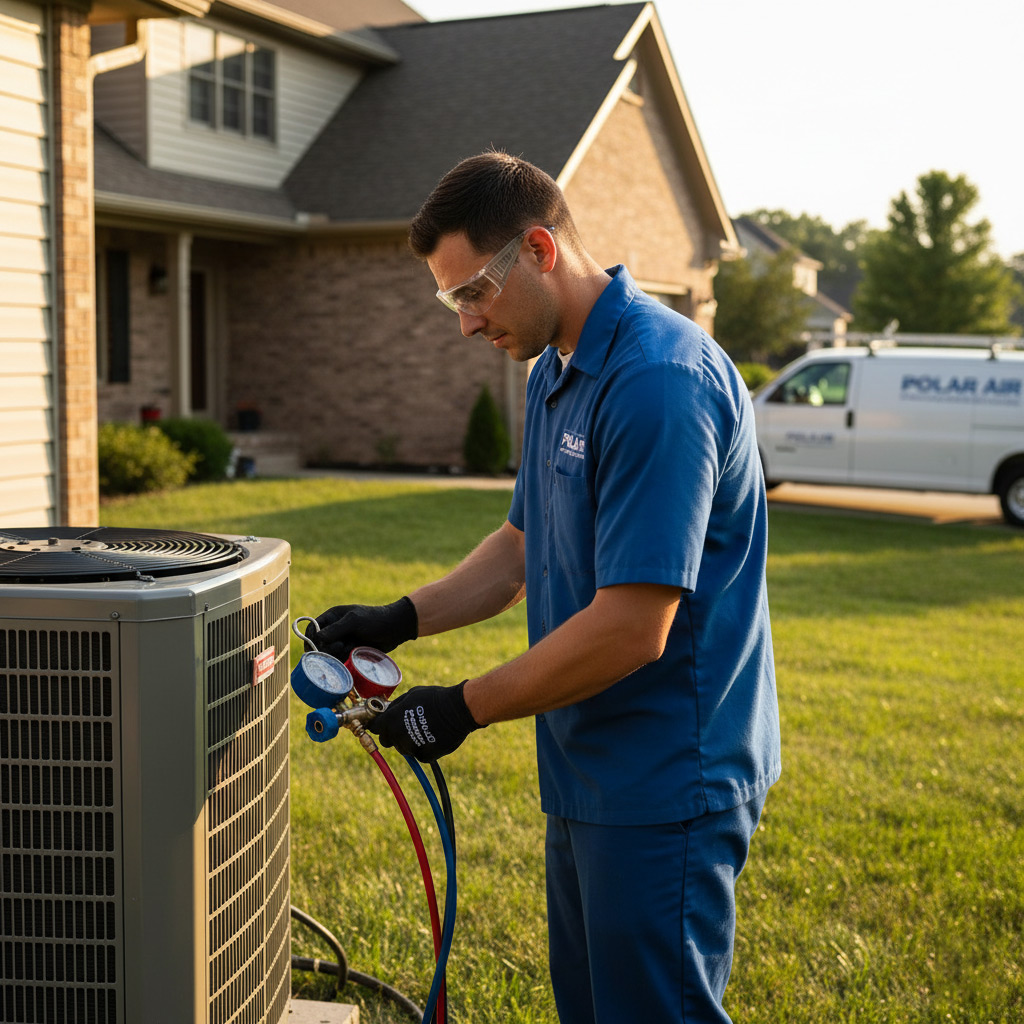
The outdoor coil can get dusty or iced over, especially after a night of fog. Clear debris, straighten bent fins, and melt any ice with a low‑heat hair dryer.
- Turn off the power at the disconnect box.
- Use a garden hose on a gentle spray to wash away grime.
- Check the fan blades for obstruction.
Finally, give the system a quick reset. Locate the service switch on the indoor unit, turn it off for 30 seconds, then power it back up. If the pump kicks on and the temperature steadies, you’ve just saved yourself a call. If not, it’s time to bring in a licensed pro.
When to Call a Licensed HVAC Technician: Red Flags & Timing
Red Flags That Mean It’s Time to Call
When the heat pump starts making weird noises—clicks, clunks, or a high‑pitched whine—you’ve got a warning sign that’s louder than a neighbor’s lawn mower. Ignore it, and you’re inviting a costly breakdown.
Other tell‑tale symptoms that demand a pro include:
- Frost building up on the outdoor coil in mild weather
- Warm air blowing from vents when the thermostat is set to cool
- Frequent short‑cycling that leaves the system humming without reaching the set temperature
- Any burning smell or visible sparks
Timing Is Everything
Heat pump issues don’t wait for a convenient weekend. If you notice a drop in performance during a heat wave or a cold snap, call a licensed tech within 24 hours. Delaying even a day can turn a simple fix into a full‑system replacement.
Watch the clock when you see:
- Energy bills spiking without a change in usage
- Thermostat displaying error codes you can’t decode
- Water leaking around the indoor unit
What a Pro Brings to the Table
A licensed HVAC technician isn’t just a wrench‑wielder; they carry the certifications, tools, and insurance that protect your home and wallet. They’ll run a full diagnostic, pinpoint the exact failure, and give you a clear cost estimate before any work begins.
Expect them to:
- Check refrigerant levels and look for leaks
- Inspect electrical connections and safety switches
- Test the compressor and fan motors for proper operation
- Provide a written warranty on parts and labor
Choosing the Right Repair Service in Elk Grove: What to Look For
License, insurance, and local know‑how
First thing’s first: verify the contractor holds a valid California HVAC license and carries liability insurance. Without those, you’re gambling with your home’s safety. A crew that’s been fixing heat pumps in Elk Grove for years already knows how the local micro‑climate messes with your system.
Speed and guarantees
When the heat pump quits on a chilly night, you need a team that can show up fast. Look for companies that promise a same‑day response or at least a next‑day slot. Warranty coverage on parts and labor is a tell‑tale sign they stand behind their work.
Transparent pricing and reputation
Ask for a written estimate before any work begins. The best pros break down labor, parts, and any extra fees in plain language. Check online reviews, ask neighbors, and confirm the business is a member of reputable trade groups like ACCA or NATE.
- Clear, itemized quote
- Positive 5‑star reviews from Elk Grove homeowners
- Membership in recognized HVAC associations
Case Study: Rapid Heat Pump Restoration for a Local Family Home
The Situation
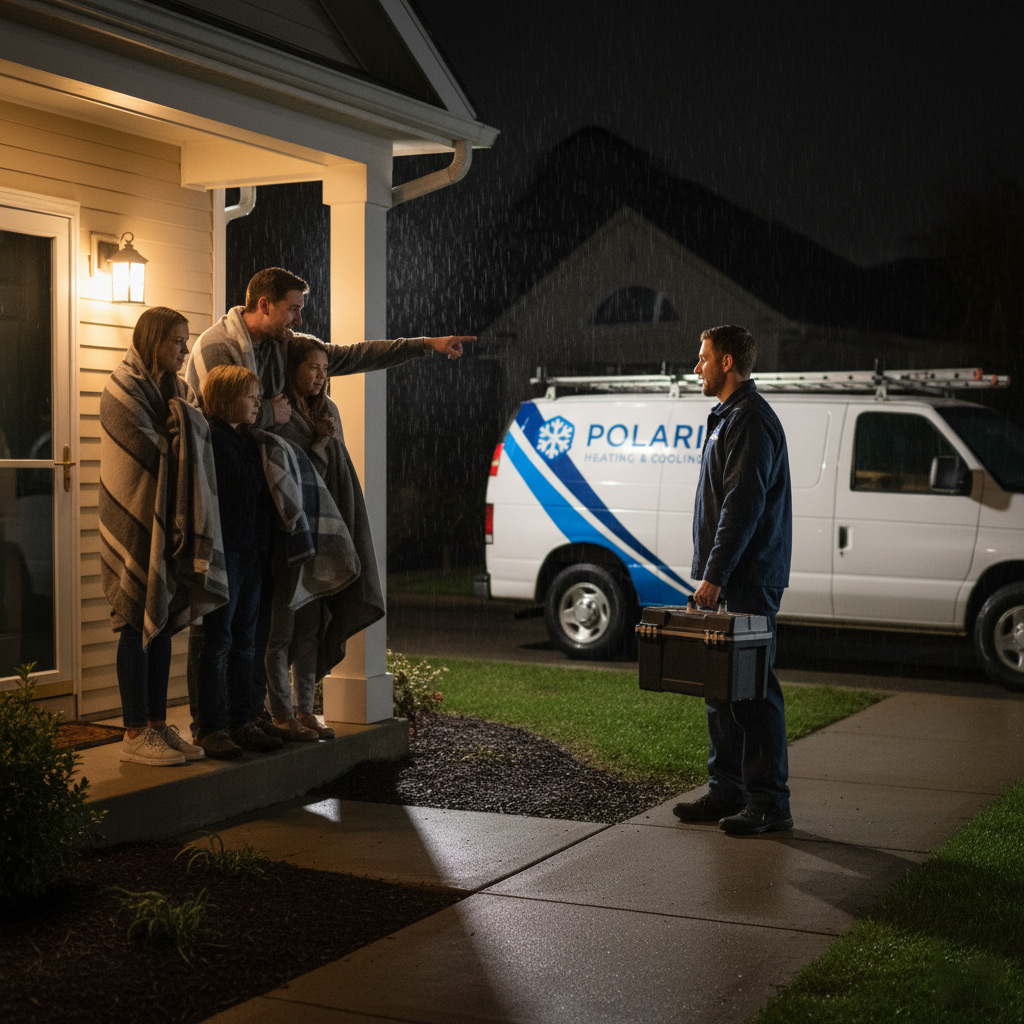
When the Martinez family noticed their heat pump sputtering on a chilly November night, the indoor temperature plummeted to 58°F. They were hosting a birthday dinner and the kids were shivering. The culprit? A frozen outdoor coil that had gone unnoticed during the early frost.
The Fix
Our tech arrived within 45 minutes, ran a quick diagnostic, and executed a three‑step rescue plan:
- Defrost the coil using a calibrated hot‑air gun—no damage, just heat where it’s needed.
- Replace the failing pressure sensor that was sending false low‑pressure alerts.
- Re‑calibrate the thermostat to match the home’s zoning layout.
Each step took under 20 minutes, and the system was back to full capacity before the dessert was served. Speed mattered, and the family never missed a beat.
The Result
Within an hour, the living room warmed to a comfortable 72°F, and the heat pump ran smoothly for the rest of the night. The Martinez’s energy bill for that month dropped 12% compared to the previous year—proof that a swift, proper repair beats a costly replacement. They now schedule a seasonal check‑up with us, knowing that a quick call can prevent another freeze‑out.
Final Words
Don’t let a heat pump hiccup turn into a full‑blown crisis. A quick, yearly check‑up and a habit of noting odd noises or temperature swings will keep you ahead of the game. Proactive care beats emergency calls every time.
Quick Checklist Before You Call
- Verify the thermostat is set to the correct mode.
- Inspect the outdoor unit for debris or ice buildup.
- Listen for unusual humming or clicking sounds.
- Check the circuit breaker for a tripped switch.
If anything feels off, grab your phone and schedule a service visit. A licensed technician can spot hidden issues that DIY fixes miss, saving you time and money.
Remember, a well‑maintained heat pump is the backbone of comfort in Elk Grove’s swing‑season weather. Keep a log of service dates, filter changes, and any error codes—this paperwork is gold when you need warranty work or a new quote. For more on keeping your system in top shape, explore our Heat Pump Repair resources.
People Also Ask
What are the first signs my heat pump needs repair in Elk Grove?
Common signs include reduced heating or cooling output, strange noises, and frequent cycling on and off. You may also notice higher energy bills or frost buildup on the outdoor unit.Can I safely troubleshoot a heat pump myself before calling a professional?
Yes, you can perform basic checks such as resetting the thermostat, cleaning or replacing the air filter, and ensuring the outdoor unit is clear of debris. However, avoid opening electrical components or refrigerant lines without proper training.How does Elk Grove’s climate affect heat pump performance?
The hot, dry summers and cool, damp winters can cause issues like overheating, coil freezing, and increased wear on compressors. Seasonal temperature swings often lead to higher demand on the system, accelerating wear and tear.When should I call a licensed HVAC technician for heat pump repair?
Call a pro if you notice persistent noise, refrigerant leaks, loss of heating or cooling, or if the unit won’t start after basic troubleshooting. Red flags also include tripping breakers or a burnt smell from the unit.What should I look for when choosing a heat pump repair service in Elk Grove?
Select a company with local experience, proper licensing, and positive customer reviews. Ask about response times, warranty coverage, and whether they offer preventive maintenance plans.
Elk Grove HVAC brings over 15 years of residential and commercial climate‑control expertise to the Elk Grove community. Their certified technicians specialize in efficient heating, cooling, and indoor‑air‑quality solutions tailored to local needs. Committed to reliable service, they prioritize prompt response and lasting performance for every client.
Need HVAC?
We provide rapid, reliable heating and cooling solutions in Elk Grove and nearby ZIPs (95624, 95630, 95631, 95632, 95633), restoring comfort and system efficiency on the first visit.
Get HVAC Estimate