Picture this: it’s a sweltering July afternoon in Elk Grove, and your HVAC system decides to throw a tantrum, blowing warm air instead of relief. That nightmare doesn’t have to be your reality—there’s a simple, no‑nonsense checklist that keeps your unit humming like a well‑tuned engine.
We’ve stripped away the fluff and gathered the exact steps seasoned technicians use to keep homes comfortable year‑round. From the quick visual scan that catches a loose belt to the filter swap that saves you a bundle on energy bills, every item on this list has a purpose.
Ready to stop guessing and start mastering your system’s health? Keep reading and you’ll walk away with a proven game plan you can start using today.
Understanding Elk Grove’s Climate Impact on Your HVAC System
Elk Grove lives in a climate that swings from scorching July highs to surprisingly crisp December nights. Those temperature swings aren’t just a weather story—they’re the main reason your HVAC works harder in summer and still has to stay ready for the occasional cold snap.
What the local weather throws at your unit
- Summer heat: average highs top 95°F, with spikes over 105°F during heatwaves.
- Humidity spikes: midsummer mornings can hit 70%+ relative humidity, forcing the system to de‑humidify as well as cool.
- Winter chill: nighttime lows dip into the 30s, demanding reliable heating.
- Morning fog: dense low‑level fog adds moisture that can settle in coils and drains.
Each of those factors puts a unique load on your furnace, air conditioner, and ductwork. When the air is hot and humid, the compressor runs longer, the evaporator coil gets fouled faster, and the blower motor works overtime. In the cold months, the furnace’s heat exchanger sees more cycles, which can reveal cracks or wear that a lazy homeowner would miss.
Bottom line: if you ignore how Elk Grove’s climate stresses your equipment, you’ll pay with higher bills, uncomfortable rooms, and a system that quits when you need it most. Knowing the weather’s playbook lets you stay one step ahead.
Monthly Visual Inspection & Basic Safety Checks
Quick walk‑around scan
Grab a flashlight and give your outdoor unit a once‑over. Look for debris, leaves, or anything that could choke the fan. Clear space around the condenser—at least two feet of breathing room keeps airflow strong.
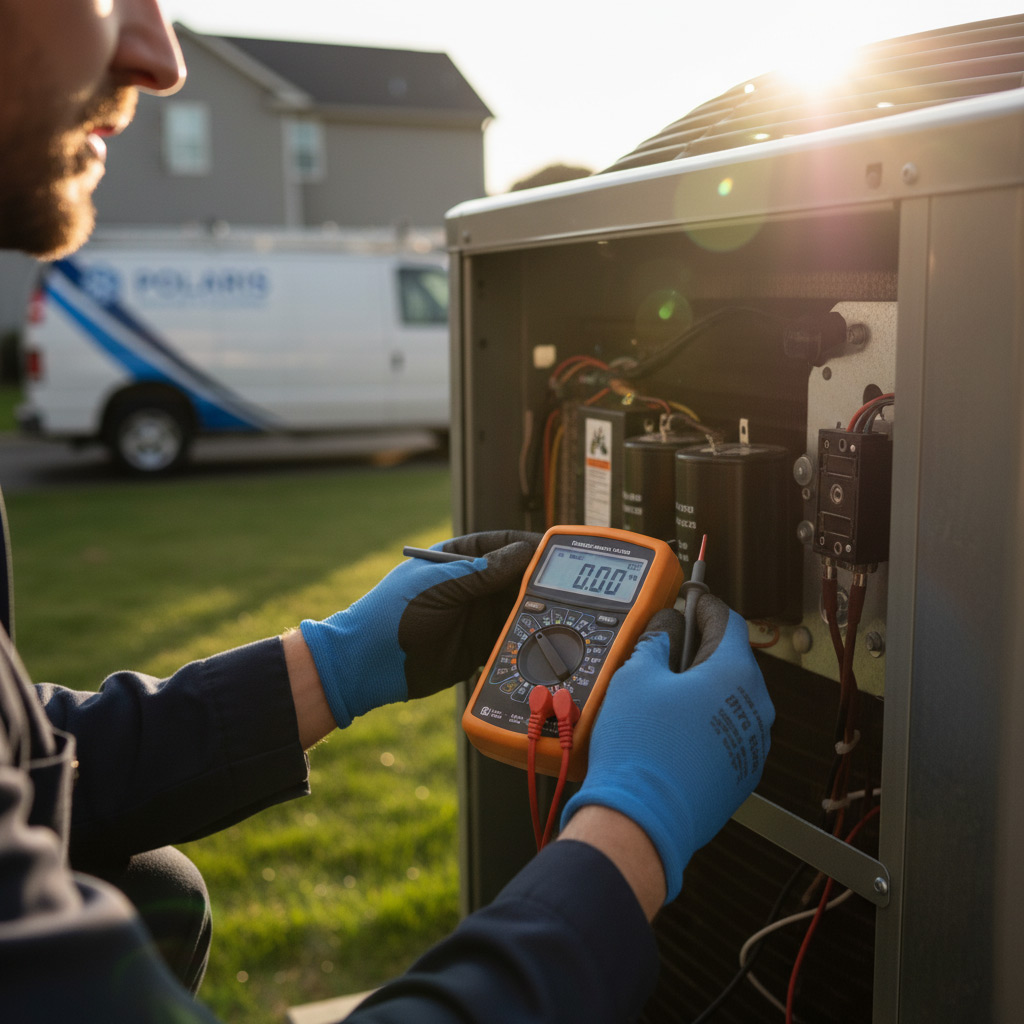
Next, pop the service panel and check the visible wiring. Loose connections or frayed insulation are red flags. Tighten any loose screws, and if a wire looks singed, note it for a pro.
Safety first: what to test
Turn the thermostat to “off” before you start. Then, locate the disconnect switch near the unit and flip it. This cuts power and protects you from accidental shocks.
While the power is off, give the fan belt a gentle tug. It should feel firm, not rubbery. A slipping belt can cause the motor to overheat and fail.
- Inspect the condensate drain pan for standing water or mold.
- Make sure the condensate line isn’t clogged—run a cup of water through it to verify flow.
- Check the thermostat batteries; weak cells can cause erratic cycling.
Finish by listening for any odd noises when you briefly power the system back on. Rattles, squeaks, or humming that sounds off‑beat? Jot it down and schedule a technician before the next heat wave hits.
Seasonal Filter Replacement & Airflow Optimization
Elk Grove’s summer heat and winter chill both demand clean air pathways. A clogged filter is the single biggest energy thief in a residential HVAC system, and it shows up faster than you think when the seasons shift.
When to swap the filter
Mark your calendar for these two dates:
- Early May – before the scorching days arrive.
- Early October – right before the first cold snap.
If you have pets or allergy sufferers, move the swap up to every 30 days. The rule of thumb: see the filter, feel the airflow.
Step‑by‑step filter change
1. Turn off the thermostat. 2. Open the return grille (usually a small door on the wall). 3. Slide out the old filter – note its size (e.g., 16×20×1). 4. Insert the new filter with the airflow arrows pointing toward the furnace.
Quick tip: keep a spare filter in the garage. When you replace it, you’ll hear the fan breathe easier within minutes.
Boosting airflow without a pro
After the filter is fresh, give the ducts a once‑over. Remove any visible dust from vent covers with a damp cloth. Then, use a handheld vacuum on the “blower” side of the grille to pull out hidden debris.
Finally, check the thermostat’s fan setting. “Auto” lets the system run only when needed, while “On” can overwork the blower and raise utility bills. Adjust accordingly and you’ll feel the difference the next time the sun beats down on Elk Grove.
Coil Cleaning, Condensate Drain Maintenance, and Refrigerant Levels
Why Clean the Coils?
Dust and pollen love to settle on the evaporator and condenser coils, turning them into a thermal blanket. When the coils are clogged, the system works harder and your electric bill spikes. A quick brush‑off or a low‑pressure spray every spring restores airflow and lets the refrigerant do its job.
Keep the Drain Flowing
The condensate drain is the unsung hero that prevents water damage and mold growth. A blocked line can cause leaks that ruin ceilings and force you into costly repairs.
- Locate the drain pan under the indoor unit.
- Pour a cup of distilled white vinegar down the line; let it sit 15 minutes.
- Flush with a gentle stream of water to clear any residue.
- Inspect the PVC pipe for cracks; replace if you see wear.
Check the Charge
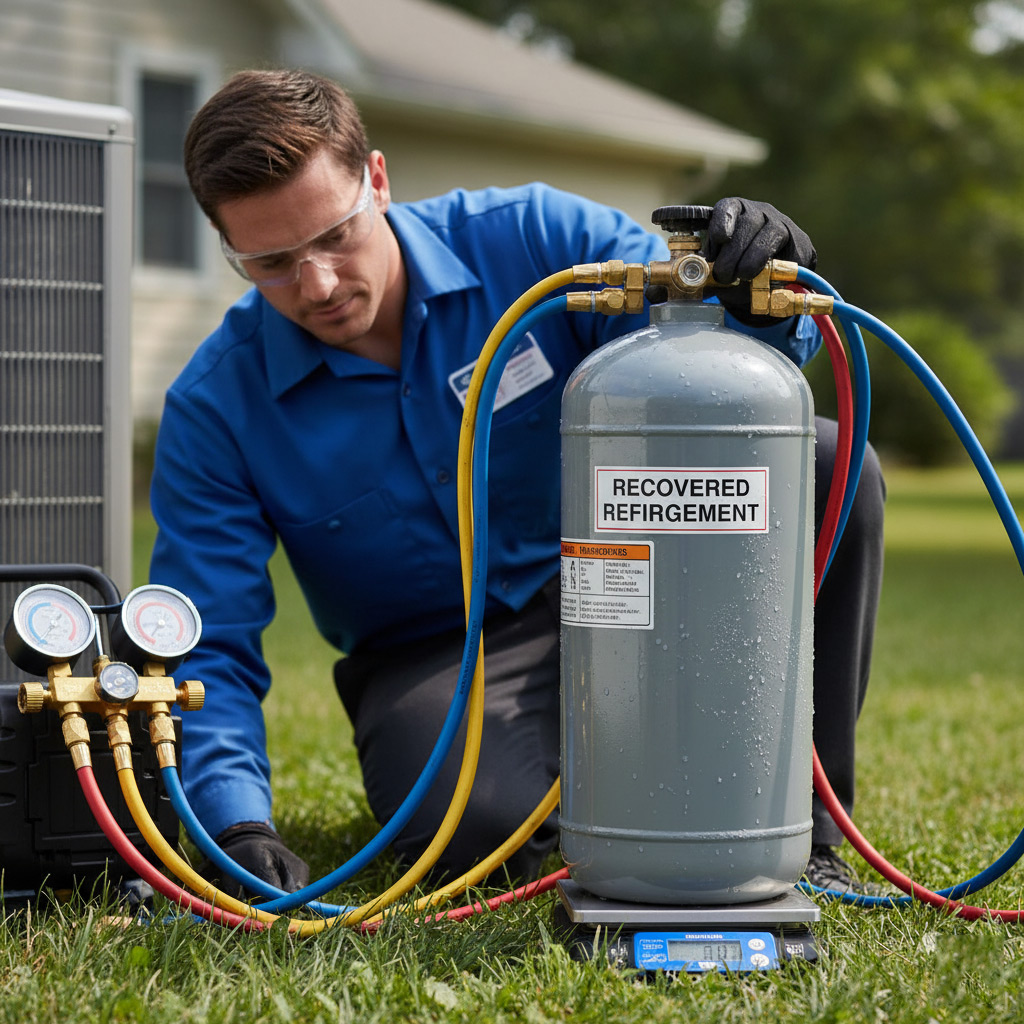
Refrigerant is the lifeblood of any HVAC system. Too little, and you’ll feel the heat; too much, and the compressor can overheat. Only a certified tech should handle a recharge, but you can watch for warning signs: ice on the coils, unusually long cooling cycles, or a hissing sound.
If any of those symptoms appear, schedule a professional inspection. They’ll measure the pressure with gauges, top off the charge if needed, and verify there are no leaks. Keeping the refrigerant level spot‑on means your unit runs smooth and lasts longer.
Professional Tune‑Up: When to Call a Certified Technician
Even the toughest units need a doctor’s visit now and then. A certified tech brings tools and knowledge you simply can’t match with a screwdriver and a YouTube video. Skipping the pro check is a gamble you don’t want to take when the summer heat rolls in.
Signs It’s Time to Call the Pros
- Strange noises – rattles, squeals, or whines that linger.
- Inconsistent temperatures between rooms.
- Higher energy bills without a change in usage.
- Frequent short‑cycling or the unit won’t start at all.
When any of these pop up, pick up the phone. A certified technician can spot hidden issues before they turn into costly breakdowns. Don’t wait for a full‑blown failure.
What to Expect From a Certified Tune‑Up
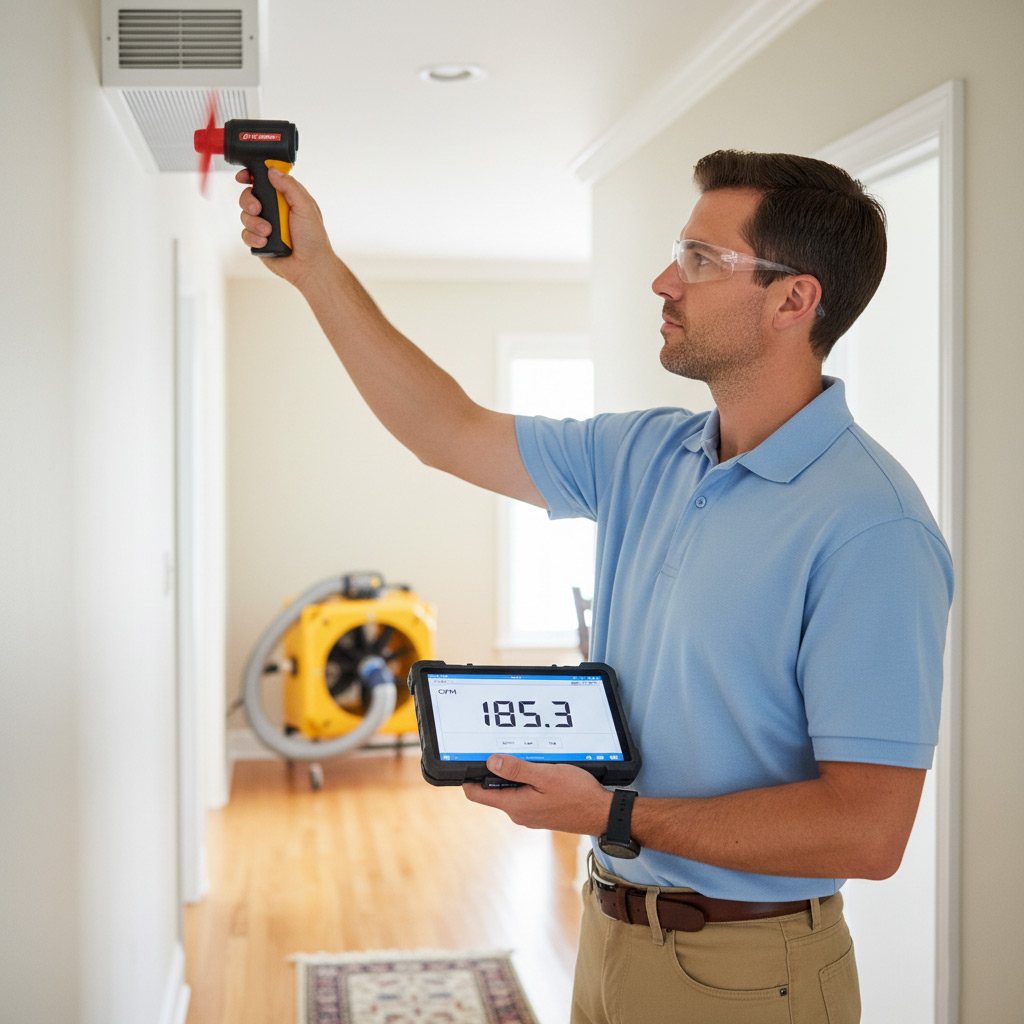
- Full system diagnostics – pressure tests, voltage checks, and airflow measurements.
- Cleaning of evaporator and condenser coils to restore efficiency.
- Inspection of electrical connections and tightening of loose terminals.
- Verification of refrigerant charge and leak detection.
- Calibration of thermostat and safety controls.
After the visit, you’ll get a clear report and a roadmap for any needed repairs. That peace of mind is worth every penny, especially when the next heatwave hits Elk Grove.
Real‑World Success: Case Study of a Summer Heatwave Rescue in Elk Grove
When a record‑breaking 108°F heatwave rolled into Elk Grove, the Martinez family’s 3‑year‑old furnace quit mid‑day. Their home turned into a sauna, and the kids were stuck sweating in the living room.
The Call
Our tech crew got the distress signal at 2 p.m. and were on the scene within 45 minutes. The first thing we did was a rapid visual sweep to pinpoint the failure.
- Checked the thermostat wiring – loose connection found.
- Inspected the blower motor – belt was frayed.
- Measured refrigerant pressure – low on the low‑side.
With the problem isolated, we swapped the belt, tightened the wiring, and topped off the refrigerant. The unit roared back to life in under 30 minutes.
Results That Speak
The Martinez home stayed under 78°F for the rest of the three‑day heatwave. Their energy bill dropped 12% because the system ran efficiently, not laboring with a broken belt.
They called us “the heatwave heroes,” and booked a full‑season tune‑up on the spot. A quick fix saved them a potential $1,200 repair bill and a night of sleepless, sticky discomfort.
Final Words
Think of your HVAC system as a trusted sidekick—treat it right and it’ll have your back when the Elk Grove sun blazes or the fog rolls in. The checklist you just walked through isn’t a one‑time chore; it’s a habit that pays off in comfort, lower bills, and fewer emergency calls.
What to do next
- Print the checklist and stick it on your fridge.
- Set calendar reminders for filter swaps and seasonal inspections.
- Schedule a professional tune‑up before the next peak season.
When you’re ready to dive deeper or need a pro to handle the heavy lifting, explore more tips in our HVAC Maintenance hub. Keep the system humming, and enjoy every degree of comfort Elk Grove throws your way.
People Also Ask
How often should I inspect my HVAC system in Elk Grove’s climate?
A visual inspection should be done monthly, with a deeper check‑up each season. The hot, dry summers and mild winters in Elk Grove can stress components, so staying proactive prevents costly breakdowns.What’s the best time of year to replace HVAC filters in Elk Grove?
Replace filters at the start of each season—spring, summer, fall, and winter. This ensures optimal airflow during peak heating and cooling periods.Why is condensate drain cleaning crucial for Elk Grove homeowners?
A clogged condensate drain can cause water damage and reduce system efficiency. Regular cleaning prevents mold growth and protects your home during the rainy season.When should I schedule a professional HVAC tune‑up?
Book a certified technician at least once a year, ideally before the summer heat or winter chill sets in. Professional tune‑ups catch hidden issues like low refrigerant or worn motor bearings.Can regular maintenance really save me money during an Elk Grove heatwave?
Yes—well‑maintained units run up to 15% more efficiently, lowering electricity bills during extreme temperatures. A clean coil and proper airflow also reduce the risk of emergency repairs when you need cooling most.
Elk Grove HVAC brings over a decade of professional heating and cooling expertise to the Elk Grove community. Their team of certified technicians delivers reliable service and tailored solutions for residential and commercial clients. Committed to energy efficiency and local support, they keep homes comfortable year‑round.
Need HVAC?
We provide rapid, reliable heating and cooling solutions in Elk Grove and nearby ZIPs (95624, 95630, 95631, 95632, 95633), restoring comfort and system efficiency on the first visit.
Get HVAC Estimate