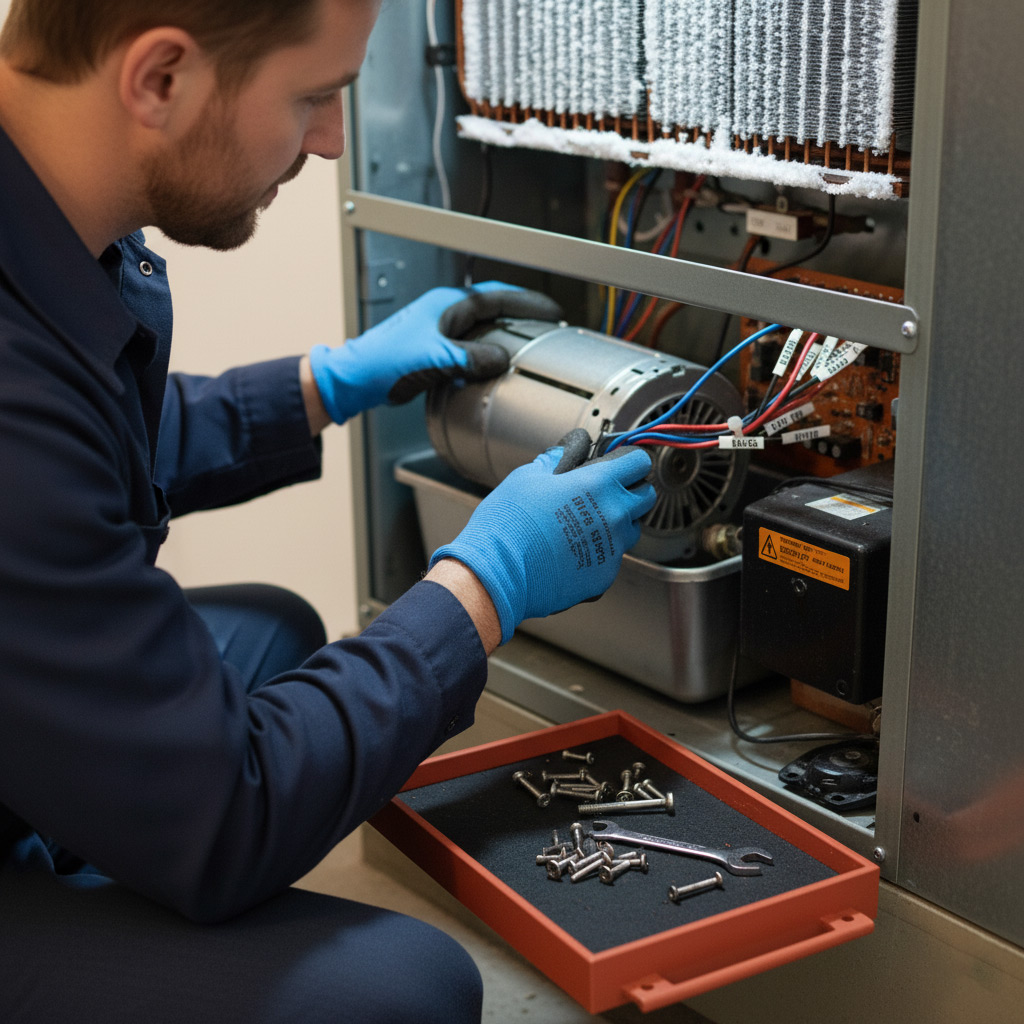
Ever walked out of an HVAC shop feeling like you just handed over cash for a band‑aid that’s going to fall apart the next time the thermostat hits 78°? You’re not alone—many homeowners in Elk Grove get stuck with “quick fixes” that end up costing twice as much in the long run.
When the summer heat rolls in, a faulty repair can turn your living room into a sauna and your wallet into a black hole. The signs are often subtle: strange noises, uneven cooling, or a bill that looks like a joke. Spotting the red flags early saves you from endless service calls and sleepless nights.
In the next few minutes we’ll break down the exact symptoms that scream “bad repair” and show you how to call out a shady tech before they disappear with your money. Keep reading to protect your comfort and your bottom line.
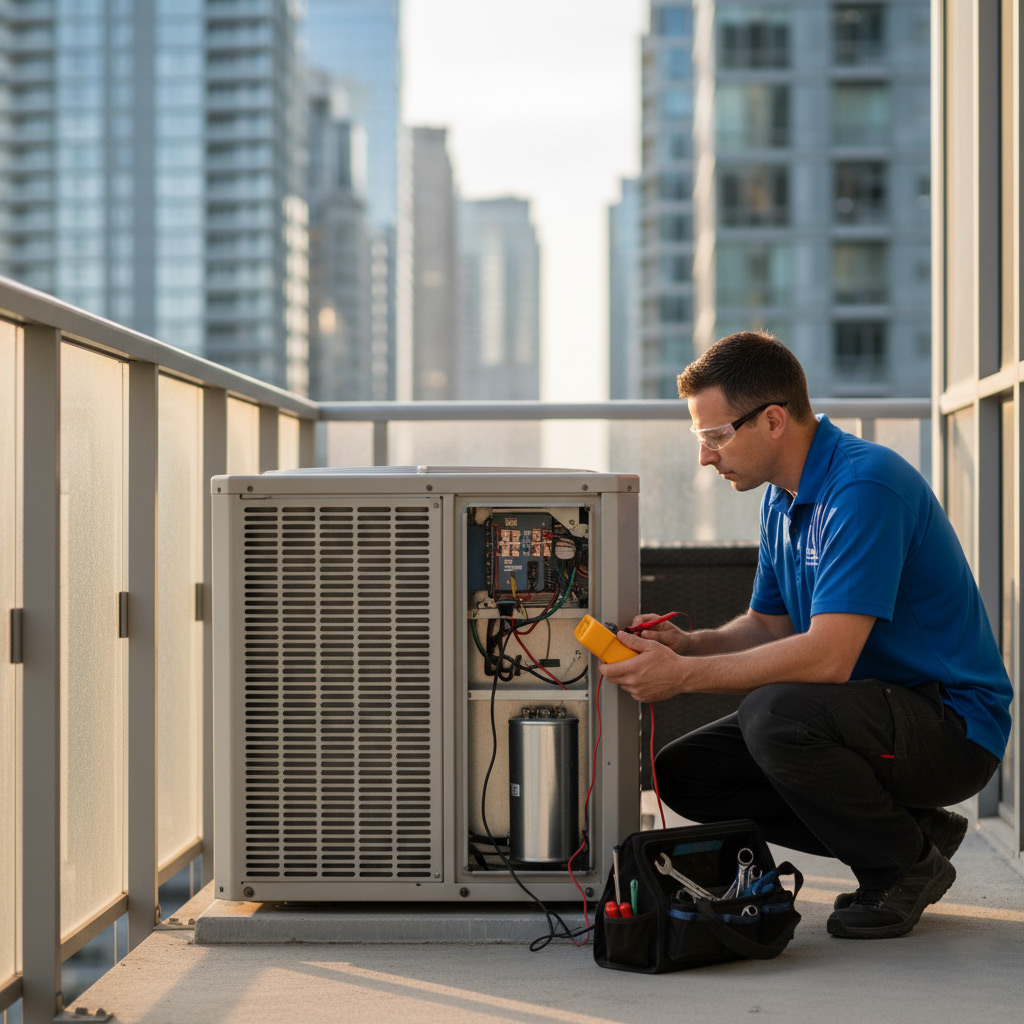
Common Red Flags That Indicate a Bad Air Conditioning Repair
Noise & Vibration
When the unit starts humming like a busted blender or rattling after a “quick fix,” it’s a warning sign. Loose bolts or a mis‑aligned fan can cause those sounds, and they usually mean the tech didn’t tighten everything properly.
Listen for:
- High‑pitched squeal – often a belt that’s too tight or a motor that’s about to burn out.
- Rattling metal – a sign a component wasn’t secured.
- Intermittent clicking – could be a faulty relay left in place.
Temperature Inconsistencies
A repair that leaves one room freezing and another steaming is a classic red flag. If the thermostat hits 78°F and the living room feels like a sauna while the bedroom stays cool, the system isn’t balanced.
Watch for:
- Uneven airflow from vents – may indicate a duct that was patched incorrectly.
- Short cycling (the unit turns on and off every few minutes) – a sign the refrigerant charge is off.
- Warm air blowing from a vent that should be cold – often a sign of a mis‑installed coil.
Financial Red Flags
Unexpected line‑item charges on your invoice are a tell‑tale sign something’s amiss. If the bill includes “miscellaneous fees” without explanation, the repair probably wasn’t transparent.
Red flags include:
- Charges for “new parts” when the tech never showed you the old ones.
- Warranty paperwork that’s missing or vague about coverage.
- Promises of “free future service” that later turn into paid calls.
Verifying Parts Quality and Proper Installation Practices
Know Your Parts
Before the tech walks away, ask to see the actual component they just installed. A reputable contractor will hand you the part number and a brief spec sheet—no vague “OEM” mumbo jumbo.
Look for these tell‑tale signs of quality:
- Brand name stamped on the coil, compressor, or fan motor.
- Serial numbers that match the invoice.
- UL or ETL certification stickers visible on the packaging.
Installation Checklist
Even the best parts can flop if they’re not installed right. A skilled tech will:
- Secure all connections with the proper torque settings.
- Seal refrigerant lines with the correct type of flare or crimp.
- Verify that the condensate drain is sloped and free of clogs.
If you hear the tech muttering about “quick‑fix” shortcuts, that’s a red flag. Proper installation takes time, not shortcuts.
Paper Trail Matters
Ask for a written warranty that names the exact part and the labor guarantee. Never accept a generic “30‑day” promise without details.
Keep the invoice, warranty card, and any photos of the installed unit together. When the next service call rolls around, you’ll have the proof you need to hold the contractor accountable.

Decoding Warranty Terms: What’s Covered and What Isn’t
When a tech hands you a warranty, it’s not just a piece of paper—it’s your safety net. Read it like a contract, not a brochure. The fine print tells you whether you’re buying peace of mind or a ticket to more service calls.
What’s Typically Covered
- Labor on the repaired component for the warranty period.
- Original manufacturer parts that fail under normal use.
- Diagnostic fees if the issue re‑occurs within the covered time frame.
These items are the core of a solid warranty. If the contractor can’t point to them, ask for clarification before they leave your home.
What’s Usually Excluded
- Wear‑and‑tear items like filters, belts, or coils.
- Damage caused by improper maintenance or user error.
- Any work performed by an unlicensed helper or subcontractor.
Exclusions are the hidden traps. Know them now, so you don’t get surprised when the bill arrives. A reputable Elk Grove HVAC service will walk you through each line item, no smoke and mirrors.
Hidden Costs of a Shoddy Repair and How They Add Up
When a tech slaps a quick fix on your AC, the bill you see today is only the tip of the iceberg. Repeated service calls, skyrocketing energy usage, and a shortened unit lifespan are the silent fees that pile up faster than you think.
What’s Really Eating Your Wallet
- Frequent callbacks – a botched seal or loose wire means you’ll be on the phone with a contractor again within weeks.
- Higher utility bills – an improperly calibrated system works harder, spiking your monthly electricity cost.
- Premature part failure – cheap or mismatched components wear out early, forcing a full‑system replacement sooner.
- Lost resale value – a home with a “history of repairs” can scare off buyers or lower the asking price.
Those line items may look small on their own, but stack them together and you’re looking at a few hundred dollars extra every season. One cheap repair can turn a $300 fix into a $1,200 nightmare when you factor in the hidden expenses. Keep an eye on the total, not just the upfront price tag.
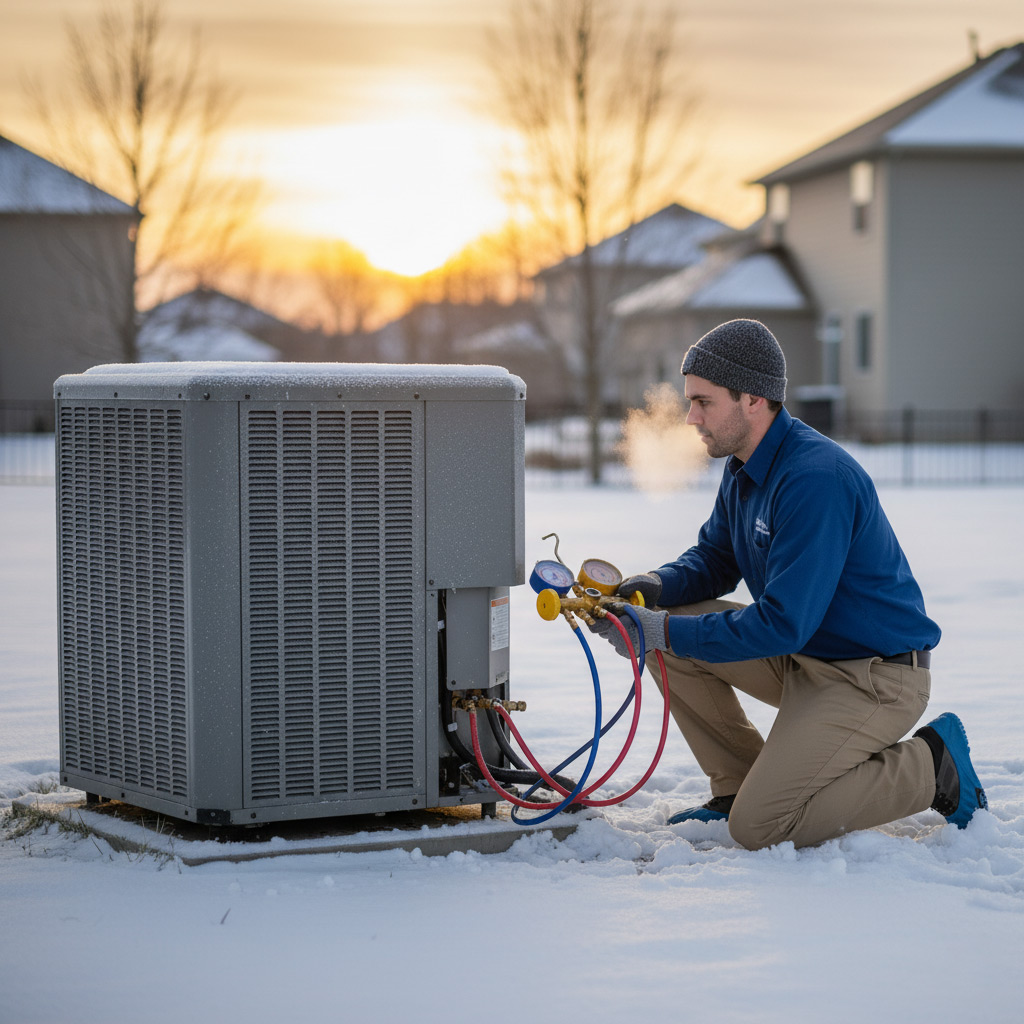
Assessing Technician Credentials, Licensing, and Reputation
Before you let anyone crack open your AC, make sure they’re legit. A valid California C‑20 contractor’s license isn’t just a piece of paper—it’s proof the tech knows the code, the safety rules, and the proper wiring practices. Ask to see the license number and verify it on the Contractors State License Board website.
What to look for on the paperwork
- License status: active, not expired.
- Specialty endorsements: “HVAC” or “Air Conditioning” listed.
- Insurance coverage: liability and workers’ comp.
Reputation is the next gatekeeper. A tech who hides behind a vague business name or refuses to share references is a red flag. Check Google reviews, Yelp, and the Better Business Bureau; look for patterns, not isolated complaints.
Quick reputation checklist
- 5‑star rating or higher on at least two platforms.
- Consistent praise for punctuality and clean work.
- Few, if any, unresolved complaints with the BBB.
Finally, trust your gut. A confident technician who explains the problem, outlines the fix, and answers questions without jargon is worth the extra call. If they’re vague, pushy, or can’t give a clear estimate, walk away and call another shop.
Case Study: Fixing a Botched Repair in Elk Grove and Restoring Home Comfort
The Problem
When the Martinez family called, their AC was blowing warm air and rattling like a busted drum set. The previous tech had swapped a capacitor but left the refrigerant low, so the unit was cycling on and off every five minutes. Result? A sweaty living room and a bill that made them wince.
The Diagnosis
Our crew ran a quick visual check, then pulled out the diagnostic tablet. The data showed three red flags:
- Low refrigerant pressure – a clear sign of a leak.
- Improperly seated thermostat wire – causing erratic temperature readings.
- Old, cracked insulation on the suction line – wasting energy.
The Solution
We tackled each issue in a single visit, keeping the Martinez’s schedule intact.
- Located and sealed a tiny leak in the copper line with a UV‑detectable sealant.
- Re‑charged the system to the manufacturer’s specs, restoring full cooling capacity.
- Re‑wired the thermostat connection and calibrated it for accurate control.
- Wrapped the suction line with new insulation, cutting energy waste by 15%.
Within an hour, the house dropped from 85°F to a comfortable 73°F. The family’s next bill was 30% lower, and they finally felt safe calling us for any future service.
Final Words
Don’t let a cheap fix turn your home into a heat trap. Keep every invoice, note the technician’s name, and write down any odd sounds you hear after the repair. Those details become your ammunition if something goes sideways.
What to Do When You Spot a Red Flag
- Call the company back — ask for a senior tech to double‑check the work.
- Request proof of the parts used; reputable shops will show you serial numbers or warranty cards.
- Check the warranty language yourself; any clause that says “subject to technician discretion” is a warning sign.
If the answers feel vague or the tech dodges your questions, it’s time to walk away and find a contractor with solid credentials. A quick phone call to a local, licensed provider can save you weeks of discomfort and a mountain of extra bills.
Ready for a second opinion? Our team specializes in uncovering hidden problems and setting things right the first time. Visit our Air Conditioning Repair page to see how we keep Elk Grove homes cool without the nasty surprises.
People Also Ask
What are the most common signs that an AC repair was done poorly?
A weak airflow, unusual noises, or the unit cycling on and off rapidly often indicate a subpar repair. If the temperature difference between supply and return air is less than 15°F, the system may not be functioning correctly.How can I verify that the replacement parts used are high‑quality?
Ask the technician for the part numbers and compare them to the manufacturer’s specifications. Reputable contractors will provide brand‑new, OEM or certified aftermarket parts and can show you the warranty documentation.What should I look for in a warranty to ensure the repair is covered?
A solid warranty will clearly state the coverage period, which components are included, and any exclusions. Look for language that covers both parts and labor, and verify that the warranty is backed by the installer or the part manufacturer.Why do some AC repairs end up costing more in the long run?
Shoddy workmanship can cause premature wear, leading to additional service calls, higher energy bills, and the need for early replacement. Hidden fees such as diagnostic charges or “service fees” that weren’t disclosed upfront also inflate the total cost.How do I confirm a technician’s credentials before hiring them?
Check that the technician holds a valid California HVAC contractor’s license and any required certifications (e.g., NATE). Review online reviews, ask for references, and verify that the company is insured and bonded.
Elk Grove HVAC brings over a decade of residential and commercial climate‑control expertise to the Elk Grove community. Their certified technicians specialize in efficient heating, cooling, and indoor‑air‑quality solutions tailored to local needs. Committed to responsive service, they prioritize comfort and energy efficiency for every client.
Need HVAC?
We provide rapid, reliable heating and cooling solutions in Elk Grove and nearby ZIPs (95624, 95630, 95631, 95632, 95633), restoring comfort and system efficiency on the first visit.
Get HVAC Estimate