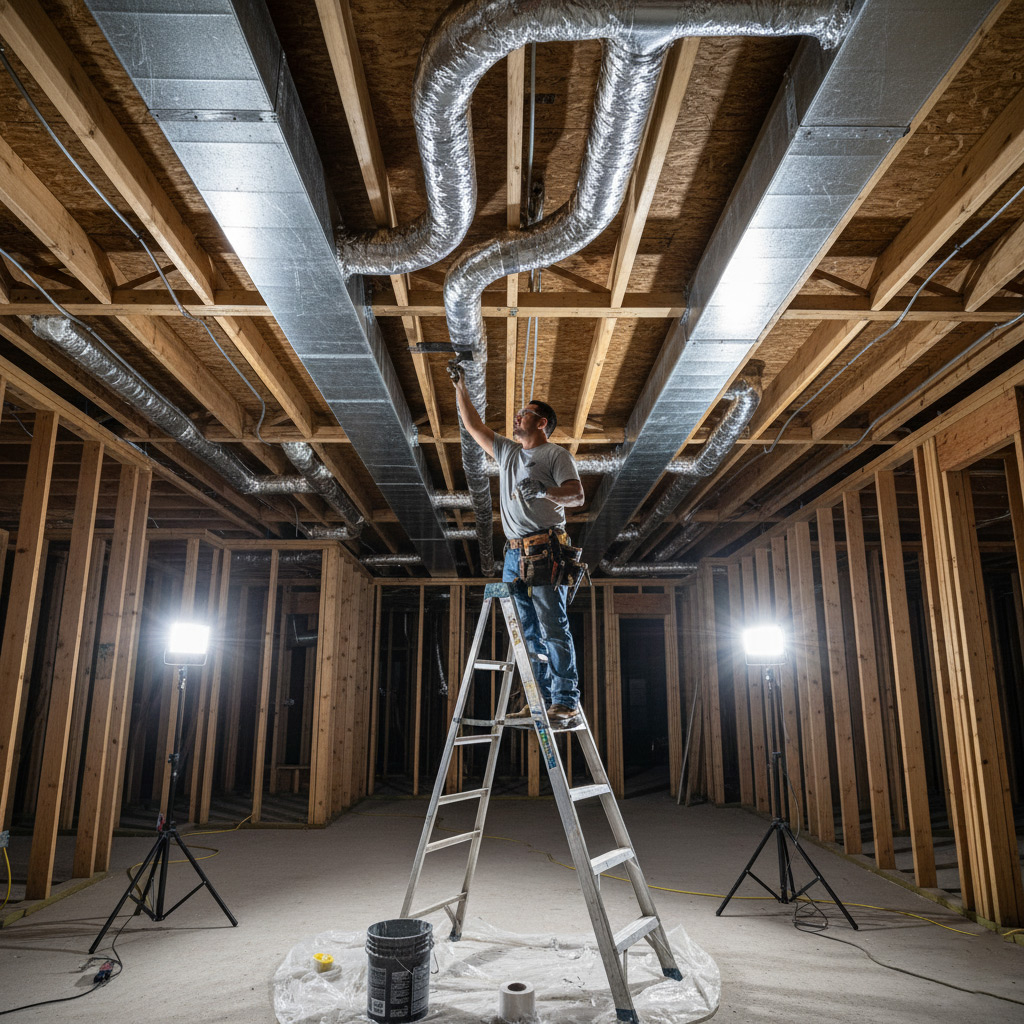
Picture this: you flip the switch and your brand‑new boiler springs to life, sending a steady wave of warmth through every room. In Elk Grove, that feeling can be yours—if you dodge the cheap‑shot shortcuts most homeowners fall for.
Most folks think a boiler is just a bigger water heater, but the truth is a lot more technical. From local permit quirks to the exact BTU rating your house needs, missing a single detail can cost you time, money, and a cold floor.
Choosing the right contractor, confirming the fuel line is up to code, and planning for future maintenance are the three pillars that keep the whole operation from turning into a nightmare. Skipping any of these steps is like building a house on sand.
Ready to see the exact checklist that will keep your installation smooth and your budget intact? Keep reading, and we’ll walk you through every must‑know detail.
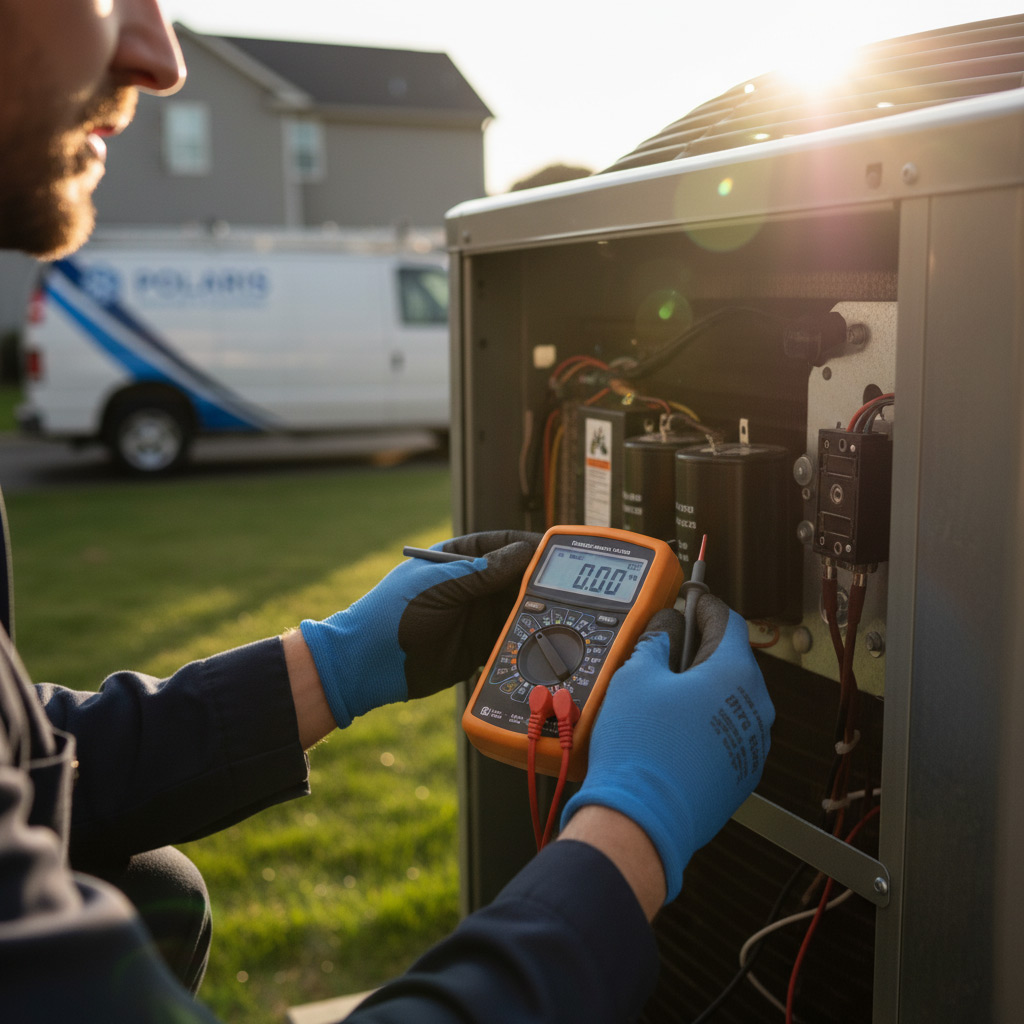
Navigating Elk Grove Permits and Building Codes for Boiler Installation
Before you even think about picking a boiler, the City of Elk Grove will ask for a permit. It’s not a suggestion – it’s the law. Grab the Building Permit Application from the Planning & Building Department, fill it out, and pay the modest fee (usually under $150). Once submitted, a city inspector will swing by to verify that your plans meet local standards.
What the Code Demands
California’s Title 24 and the 2023 Mechanical Code dictate everything from clearance around the unit to vent pipe material. Your boiler must sit on a non‑combustible surface, have at least 12 inches of clearance on all sides, and be equipped with a vent that complies with the California Energy Commission guidelines. Miss one of these and you’ll be hit with a stop‑work order.
Common Permit Pitfalls
- Submitting plans without a certified heat load calculation – the city will reject them.
- Skipping the required pre‑installation inspection – you’ll be forced to redo the work.
- Using a vent material not listed in the code – it’s a safety hazard and a costly redo.
Determining the Right Boiler Size and BTU Rating for Your Home
Why Size Matters
Too small and you’ll be shivering in the dead of winter; too big and you’ll waste fuel faster than a sports car on the freeway. Getting the sweet spot right means consistent heat, lower bills, and a longer‑lasting unit.
Key factors that drive the size decision:
- Square footage – bigger homes need more heat.
- Insulation quality – a well‑sealed house needs fewer BTUs.
- Climate zone – Elk Grove’s mild winters still demand a solid baseline.
- Hot‑water load – showers, tubs, and appliances add to the demand.
Crunching the Numbers
Start with a simple rule: 30‑45 BTU per square foot, then adjust for the variables above. If your home is 1,800 sq ft, you’re looking at roughly 54,000‑81,000 BTU before tweaks.
Fine‑tune the estimate by subtracting 10‑15% for high‑efficiency insulation or adding 10‑20% if you have a large bathtub or multiple bathrooms. The goal is a boiler that runs steady, not on‑and‑off.
Avoiding Common Pitfalls
Don’t rely on a “one‑size‑fits‑all” calculator you found on a forum. A professional heat‑loss assessment will factor in windows, ceiling height, and even the direction your house faces.
Ask your contractor for a written load‑calculation report. That document is your safety net—it protects you from over‑paying for an oversized unit or ending up with a cold floor in the living room.
Choosing a Licensed, Insured Contractor: Red Flags and Must‑Haves
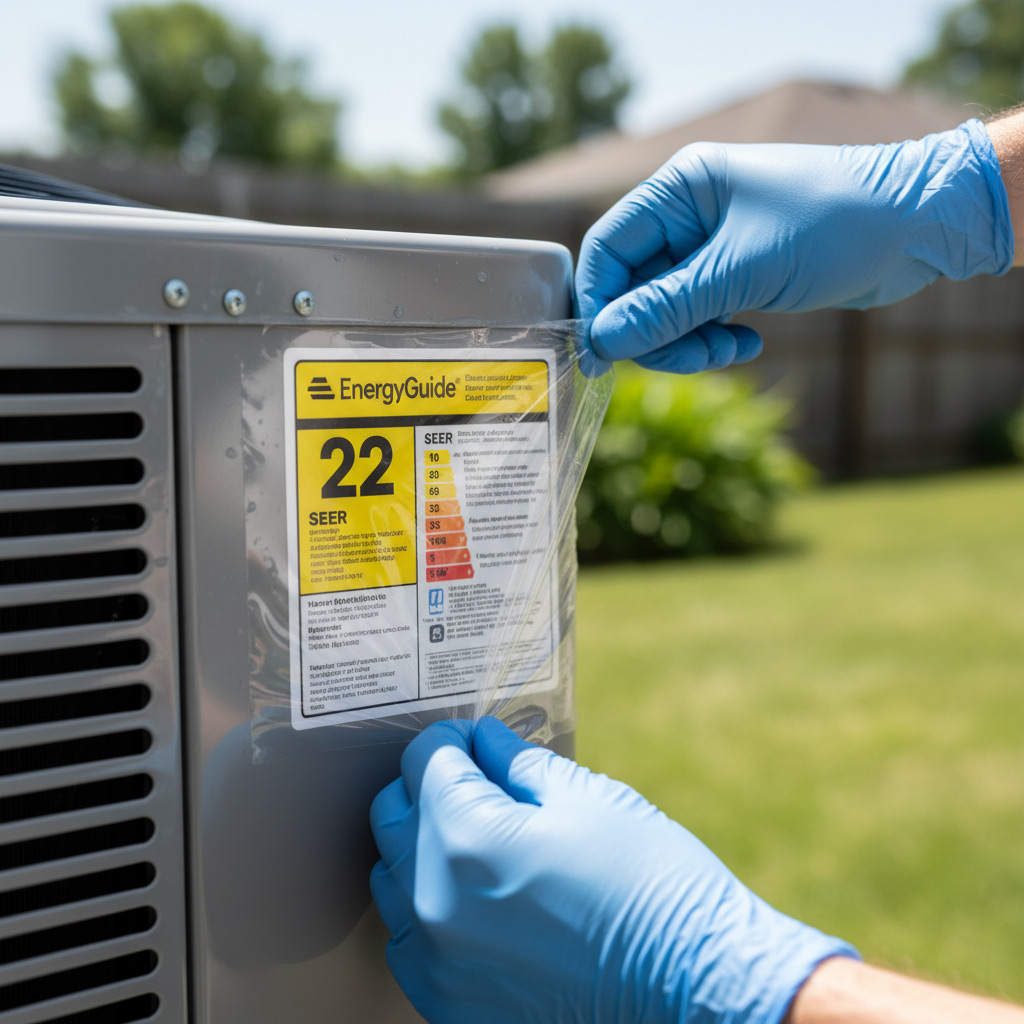
In Elk Grove, a contractor’s license isn’t just paperwork—it’s proof they’ve passed the city’s safety tests and know the local code quirks. Insurance protects you if a pipe bursts or a tool falls during the install. If a company can’t show you a current license or a certificate of insurance, walk away now.
Red Flags to Watch
- Quotes that are dramatically lower than the market average—cheap often means cutting corners.
- Refusal to provide a written contract or detailed scope of work.
- Missing or expired contractor’s license number on their website or business card.
- Only cash payments accepted, no traceable invoicing.
When you find a contractor who ticks the right boxes, you’ll feel the difference. Look for a company that offers a clear warranty on both labor and the boiler itself. Transparency in pricing and scheduling shows they respect your time and money.
Must‑Haves for a Reliable Pro
- Current California C‑36 boiler installer license.
- General liability and workers’ compensation insurance with coverage limits of at least $1 million.
- References from recent Elk Grove installations, preferably with before‑and‑after photos.
- Membership in a reputable trade association such as ACCA or PHCC.
Fuel Type Selection, Line Installation, and Safety Code Compliance
Choosing the Right Fuel
Natural gas, propane, or oil each have a price tag and performance curve. Natural gas is cheap but needs a municipal line; propane offers flexibility for off‑grid homes, while oil delivers high heat output in colder pockets.
- Check local utility rates – they can swing your annual cost by 20%.
- Ask about storage space – propane tanks need clearance, oil tanks sit in basements.
- Confirm the fuel source matches your boiler’s rating – mismatched BTU can waste energy.
Installing Fuel Lines the Right Way
Every connection is a potential leak point, so precision matters. A licensed plumber should pull the line, pressure‑test it, and seal it with approved fittings.
- Use stainless‑steel or copper for gas; black iron for oil.
- Maintain a minimum 10‑foot separation from electrical wiring.
- Label each line clearly – future repairs become a breeze.
Staying on the Right Side of the Code
Elk Grove’s building department enforces the California Mechanical Code and the Uniform Fire Code. Missing a single requirement can halt your project and cost you a fine.
- Install a carbon‑monoxide detector within 10 feet of the boiler.
- Ensure venting meets the manufacturer’s clearance specs – no shortcuts.
- Schedule a final inspection before you fire up the system; the inspector will verify line integrity, pressure settings, and safety shut‑offs.

Preparing Your Home: Piping, Venting, Electrical Work, and Space Planning
Piping & Venting Basics
Before the boiler even sees the light, the water lines and exhaust routes must be spot‑on. A mis‑sized pipe can sap efficiency, while a poorly vented exhaust can trigger code violations. Do the math on pipe length, diameter, and insulation, then match the vent size to the boiler’s output.- Supply & return lines: Use copper or PEX rated for high temperature; keep runs under 50 ft when possible.
- Vent pipe material: Stainless steel or cast iron, sized per manufacturer’s chart.
- Seal every joint with approved high‑temp tape; leaks are money‑leakers.
Electrical Work You Can’t Skip
Even a gas boiler needs a solid electrical backbone for controls, pumps, and safety sensors. Run a dedicated 240 V circuit with a double‑pole breaker; share a neutral only if the code permits. Don’t gamble with DIY splices—hire an electrician who knows the NEC requirements for HVAC.- Check voltage drop: longer runs need larger gauge wire.
- Install a hard‑wired thermostat with a low‑voltage backup.
- Label every conduit and breaker for future service calls.
Space Planning for a Seamless Fit
Boilers aren’t tiny; they need clearance for service, ventilation, and future upgrades. Pick a location with at least 18 inches of breathing room on all sides, and keep it away from combustible materials. Think ahead: leave space for a water softener, expansion tank, and easy access to the control panel.- Basement or utility room: ideal if floor is level and dry.
- Garage: ensure proper fire‑rated barriers if near vehicles.
- Never install under a stairwell or in a cramped closet; you’ll thank yourself later.
Case Study: Seamless Boiler Installation in a Historic Elk Grove Residence
Background
When the Martinez family bought their 1920s Craftsman home, they fell in love with the original woodwork but dreaded the outdated heating system. The house had a coal‑fired boiler that was barely keeping the upstairs bedroom warm.
Our crew faced three hurdles: preserving the historic façade, fitting a modern high‑efficiency boiler into a cramped basement, and meeting the city’s strict preservation ordinances.
- Preservation rules limited any exterior vent modifications.
- Existing pipework was tin‑plated and corroded.
- Clearances for the new unit were under 3 feet.
Solution
We started by securing a variance from the Elk Grove Historical Society, allowing a concealed vent stack that blended with the original chimney. Next, we swapped the old cast‑iron pipes for compact, stainless‑steel lines that fit the tight space.
Our licensed installer chose a condensing boiler with a 85% AFUE rating—just the right size after a heat‑loss calculation showed a 45,000 BTU need. The unit was mounted on a custom steel frame to keep it level and accessible for future service.
Results
Within a week, the Martinez home was delivering consistent, whisper‑quiet heat to every room. Energy bills dropped 30%, and the family could finally enjoy their historic home without the chill of a failing boiler.
Because we documented every step, the city approved the final inspection on the first visit—no re‑work, no extra fees. The Martinez family now recommends us to every neighbor who’s looking to upgrade without sacrificing charm.
Final Words
When the boiler finally hums, you’ll feel the payoff of every checklist item you crossed off. A properly sized unit, a clean permit trail, and a vetted contractor turn a potential headache into a quiet, reliable heat source.
Quick Recap
- Secure the Boiler Installation permit before any pipe is cut.
- Match BTU output to your home’s square footage and insulation level.
- Hire a licensed, insured pro—look for a current C-46 or C-20 certification.
- Confirm fuel line, venting, and electrical work meet California safety codes.
Keep these points handy, and you’ll avoid the common pitfalls that leave homeowners with cold spots or costly re‑work. A little foresight now saves you time, money, and a lot of frustration later.
People Also Ask
Do I need a permit to install a boiler in Elk Grove?
Yes, Elk Grove requires a building permit for any new boiler installation or major modification. The permit ensures the work complies with local safety and energy codes.How do I determine the correct boiler size for my home?
A qualified HVAC professional will perform a heat load calculation based on your home’s square footage, insulation, and climate. This calculation identifies the appropriate BTU rating to keep your home comfortable and efficient.What should I look for when hiring a boiler contractor?
Choose a contractor who is licensed, insured, and has specific experience with boiler installations. Verify their references, ask for proof of insurance, and confirm they are familiar with Elk Grove’s building codes.Which fuel type is best for a residential boiler in Elk Grove?
Natural gas is the most common and cost‑effective option, but propane, oil, or electric boilers may be suitable depending on availability and your home’s setup. Consider fuel prices, efficiency ratings, and local code requirements when deciding.What preparation is needed before the boiler is installed?
Ensure proper space for the unit, verify existing piping and venting meet code, and arrange any necessary electrical upgrades. Clearing the installation area and confirming line clearances will help avoid delays.
Elk Grove HVAC has served the Elk Grove community for over 15 years, delivering reliable heating and cooling solutions. Their certified technicians specialize in residential and commercial systems, ensuring comfort and efficiency year‑round. Committed to local service, they prioritize prompt response and personalized care for every client.
Need HVAC?
We provide rapid, reliable heating and cooling solutions in Elk Grove and nearby ZIPs (95624, 95630, 95631, 95632, 95633), restoring comfort and system efficiency on the first visit.
Get HVAC Estimate